Batch Traceability for Private-Label Foodservice Packaging: A Practical Guide
Batch traceability helps a multi-store foodservice operator connect a packaging delivery to the product specification, order, batch reference, carton details, and receiving location. For private-label cups, boxes, bowls, trays, or containers, a useful process starts with stable product names and a repeatable handover record. This guide explains backward and forward traceability, the minimum records to keep, and how to plan a bi-weekly replenishment cycle without turning routine store work into a data project.
2026-08-20 - 5 min read
Summary
Batch traceability helps a multi-store foodservice operator connect a packaging delivery to the product specification, order, batch reference, carton details, and receiving location. For private-label cups, boxes, bowls, trays, or containers, a useful process starts with stable product names and a repeatable handover record. This guide explains backward and forward traceability, the minimum records to keep, and how to plan a bi-weekly replenishment cycle without turning routine store work into a data project.
What Batch Traceability Means for Packaging
A batch is a defined group of products made or handled together under agreed conditions. For packaging procurement, the practical aim is to identify the specific cartons and destinations connected to that group when a question arises later.
That creates two useful directions of traceability. Backward traceability starts with a carton, delivery, or store receipt and works back to the relevant order and product specification. Forward traceability starts with a batch or order reference and identifies the warehouse, route, or stores that received it.
This is not a claim that every packaging programme needs a new enterprise system. It is a way to make everyday information searchable before the records are needed.
Start with a Stable Product Specification
Traceability is difficult when different teams call the same item by different names. Each ordered packaging format should have one clear description that purchasing, receiving, and store teams can recognize.
For a private-label foodservice programme, the specification may include the product category, material, dimensions or capacity, lid relationship where relevant, print or colour requirement, and outer-carton description. Keep the approved artwork or digital proof with the applicable order when custom print is involved.
TakeawayPack's public ordering information says that an RFQ can include the product category, material, size or capacity, expected quantity, print or colour requirements, and destination country or port. Its public terms also state that custom-print production begins after the customer's digital proof is confirmed in writing. Those records can help the buyer keep the agreed item definition tied to the order; final product details remain order-specific.
Record the Minimum Data at Each Handover
A good record is short enough to complete consistently. For each relevant batch or delivery, record:
- the product description or internal SKU;
- the batch, lot, or order reference used for the programme;
- the carton or packing reference, when applicable;
- the dispatch or handover reference;
- the receiving warehouse, route, store, or store group; and
- the date and person or team that recorded the handover.
The value lies in linking these fields. If a store raises a question about a case, the central team should be able to connect the delivery record to the applicable order and see whether the same reference was distributed elsewhere.
Design Receiving Records Around Real Store Work
The weak point is often the handover, not the batch number. A practical receiving check answers five questions: what arrived, which reference it belongs to, when it arrived, where it was received, and who logged it.
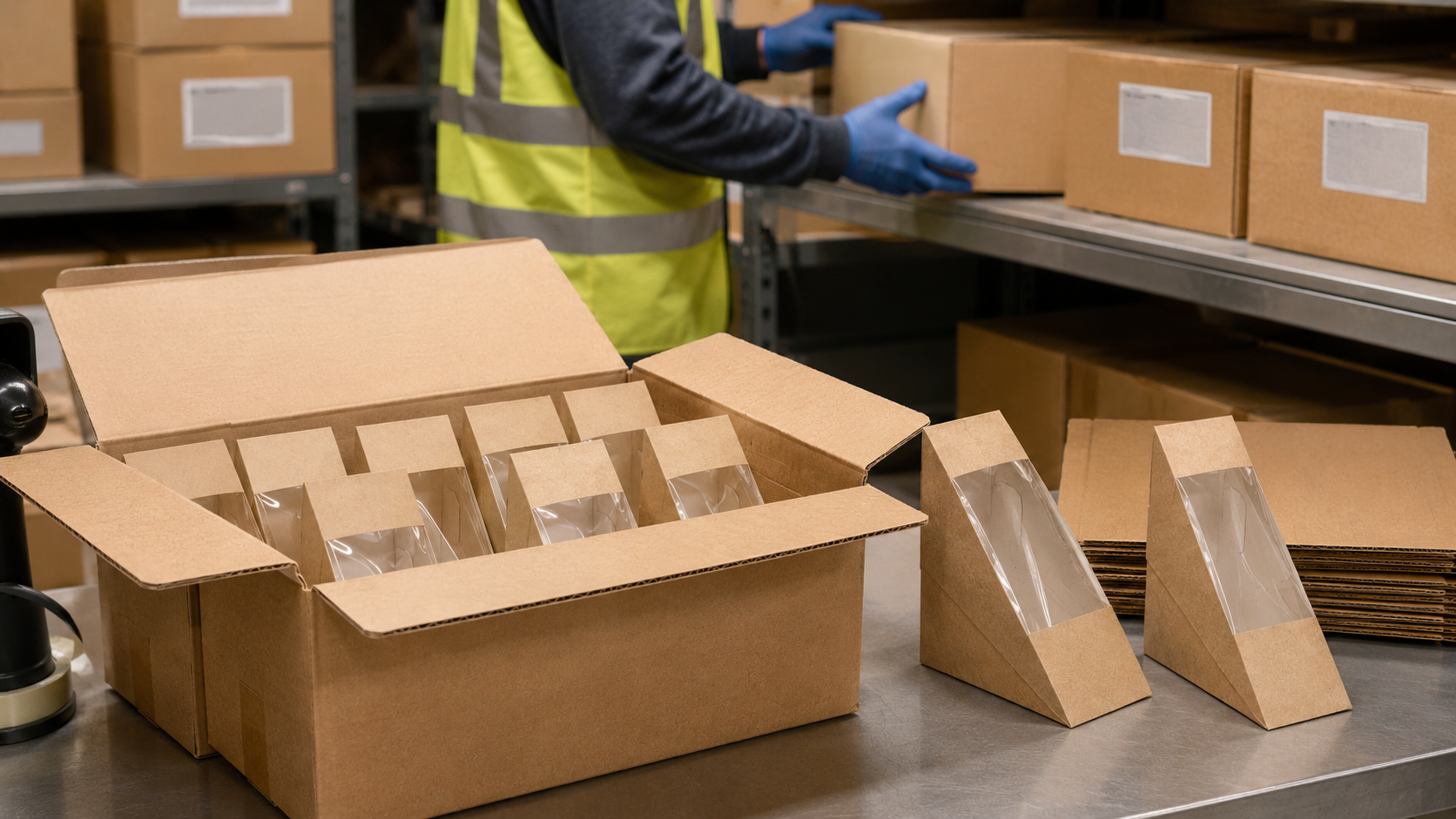
For a bi-weekly rhythm, add that check to the normal delivery routine. If cases are split between stores after receipt, log the split at the time rather than relying on later reconstruction. Keep carton and packing details with the delivery record so that visually similar packaging formats are not treated as interchangeable.
TakeawayPack describes confirming carton, packaging, and export-handover details before quotation, samples, or bulk-order handover. For a buyer, the right way to use those details is to confirm the specific order documents and build them into the receiving routine—not to assume a fixed logistics arrangement or delivery date.
Link Product, Order, Batch, and Receipt Records
A simple structure can keep the information clear without placing every detail in one note.
Product record: agreed item name, material, size or capacity, and related lid or format details.
Order record: quantity, destination, approved customization, and the documents agreed for that order.
Batch and packing record: the batch or lot reference, carton information, and dispatch or handover reference.
Receipt record: the warehouse, route, store group, or store that received the cases, with the receipt date.
This structure lets a team search from a delivery back to the order, or from a batch forward to its destinations. It can be kept in a shared operating record at small scale and extended if the programme grows.
Align the Commercial Plan with the Replenishment Cycle
Traceability works best when commercial and operational decisions use the same product definition. Before a cycle begins, buyers can confirm the packaging specification, expected quantity, destination, customization requirements, and the records needed at handover.
TakeawayPack offers foodservice packaging categories including cups, bowls, boxes, containers, trays, lids, bags, and cutlery. Its website says MOQ, production timing, customization availability, and final order terms depend on the specific quotation or order. Therefore, a bi-weekly plan should use confirmed order terms rather than treating a preliminary schedule, MOQ, or logistics discussion as a fixed commitment.
A Pre-Dispatch Checklist for Multi-Store Packaging
Before releasing the next replenishment cycle, check that the product description matches the order, artwork or proof status is clear where applicable, the batch-reference convention is agreed, carton and handover information is available, planned destinations are recorded, and the receiving owner is known.
This small discipline makes a later follow-up more manageable. It helps a team distinguish between similar-looking cups, boxes, trays, or containers that were ordered to different specifications or sent on different dates.
Plan Your Next Private-Label Packaging Order
For international foodservice packaging sourcing, TakeawayPack works with buyers on product, material, size or capacity, quantity, print requirements, and destination information. If you are planning a private-label programme and want to organize an order-specific conversation around product formats, carton details, or delivery destinations, start at takeawaypack.com.