From Kraft to White Board: Match Custom Paper Packaging to Brand Positioning and Menu Oiliness
Custom paper packaging is a guest-facing part of the restaurant experience. Before comparing formats, decide what the pack should communicate.
2026-08-30 - 5 min read
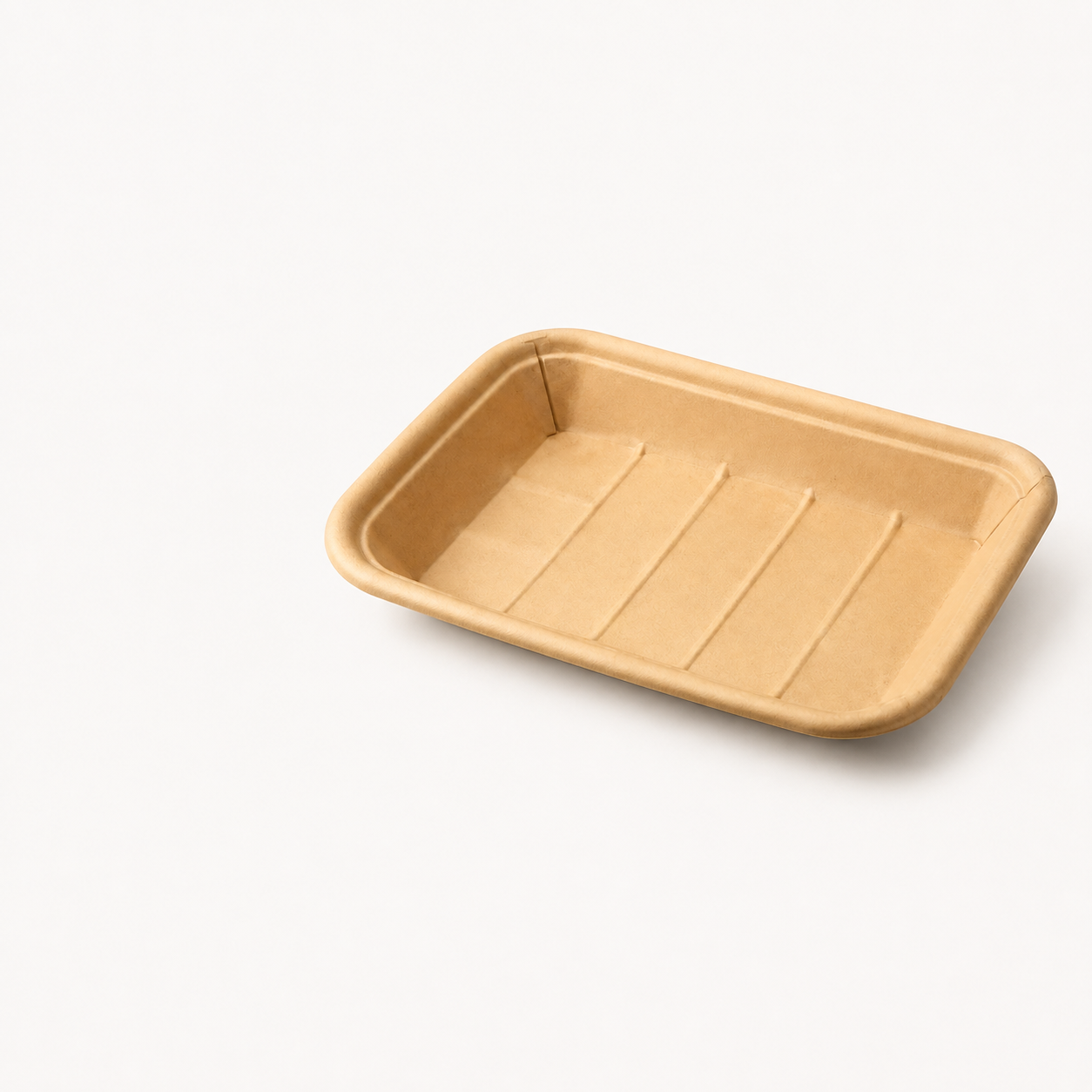
Summary: Select the visible board as a brand decision, then turn the menu into a precise purchasing brief. Kraft and white board create different first impressions, but neither appearance alone determines whether a pack is suitable for a particular dish. For oily, saucy, hot, or delivery-held menu items, make the final choice against the exact food, pack format, and service conditions.
Start with the brand promise
Custom paper packaging is a guest-facing part of the restaurant experience. Before comparing formats, decide what the pack should communicate.
Kraft can support a warm, pared-back, craft-led presentation. It can be a natural fit for cafés, bakeries, burger concepts, deli counters, and brands built around a simple visual language. A concise logo, clear typography, and a restrained print treatment often work better than trying to put every message on the pack.
White board begins from a different visual position: a clean surface for colour, illustration, or a more detailed identity system. It can suit bakery gifting, dessert concepts, premium retail-style presentation, or multi-location brands that need a consistent, recognisable look.
Neither direction is inherently more premium. The right choice is the one that makes the restaurant’s intended promise legible: approachable, crafted, bright, celebratory, or practical.
Keep appearance separate from menu suitability
A brown pack is not automatically the right choice for fried food, and a white pack is not automatically the right choice for a sauce-heavy meal. Board appearance is a branding input; the individual menu item requires its own purchasing brief.
For any food that may leave visible oil, carry steam, include a sauce, or spend time in delivery, tell the supplier exactly how it will be used. Include the serving temperature, portion size, fill level, expected holding time, delivery or stacking conditions, and the required format—box, tray, sleeve, bag, or another structure.
That turns “I need a kraft burger box” into a comparable procurement request. It also prevents a buyer from choosing from photographs or unit prices alone.
Use a controlled packaging system, not one answer for every dish
Restaurants do not always need a single board appearance or structure across the whole menu. A better approach is usually a small packaging system: one primary family for the majority of items, plus separately specified formats for dishes with more demanding service conditions.
The guest can still recognise one brand through consistent logo placement, typography, colour accents, or illustration. Meanwhile, the purchasing team can avoid forcing one pack into every use case.
Treat a new fried or sauced menu item as a packaging decision from the beginning of product development. Bring the format, test sample, and artwork discussion into the launch brief before operations are committed.
Let the print brief reflect the ordering moment
Counter-service packaging may need a simple, immediately recognisable mark. Delivery packaging may need a clearer visual hierarchy, order cues, or approved handling information. In either case, define the purchase inputs before artwork approval:
- Brand elements: logo version, print colours, placement, and background.
- Pack architecture: dimensions, closure, capacity, and food placement.
- Menu mapping: which SKUs serve which dishes and dayparts.
- Operating conditions: packing sequence, stacking, transport, and holding time.
- Approval path: artwork file, digital proof, any required sample, and written sign-off.
Review a sample in the conditions in which customers will receive it. Use the actual food, follow the normal packing workflow, and record the outcome by SKU so a reorder does not rely on memory.
Ask RFQ questions that produce a useful quote
A practical RFQ identifies the product category, material preference, dimensions or capacity, estimated quantity, printing requirements, and destination. For items sensitive to oil, sauce, heat, moisture, or delivery time, name those conditions and ask for the proposed SKU and sample route for that specific use.
Do not treat commercial details as assumptions. Confirm the MOQ, availability, production timing, artwork options, and final specification for the individual order. For custom print, make the approval sequence explicit: customer file, digital proof, written confirmation, then production.
Final buying checklist
Before placing the order, confirm that you can answer these questions:
- What does the pack need to say about the brand?
- Is kraft or white board the better visual starting point?
- Which dishes can share a format, and which need their own brief?
- Have oily, saucy, hot, or delivery-held dishes been identified by SKU?
- Has the pack been reviewed with actual food in normal operating conditions?
- Does the artwork work on the selected board surface?
- Are quantity, destination, proof, and written-approval requirements clear?
A strong result is a system that feels coherent to guests and precise enough for purchasing to act on confidently. Start with brand positioning, translate every menu use into an exact brief, and validate the final selection in the real service environment.
For help structuring a packaging RFQ around your menu, format, print requirements, and destination, visit TakeawayPack.