How to Plan Custom Packaging for Multiple SKUs Without Multiplying Your MOQ
Running several product variants does not require a completely separate package for every flavor, color, scent, or size. But the quantities cannot automatically be combined into one packaging MOQ either. Whether components can be shared depends on box size and structure, material, printing version, finishing, insert, regulatory information, and how each SKU must be identified. The practical approach is to keep the fixed parts — like the main box structure — shared, and to assign the variable parts — like a label, sleeve, barcode, or insert card — to a smaller component. This lets you plan multiple SKUs without multiplying the total minimum order.
2026-08-12 - 8 min read
Direct answer for multi-SKU buyers
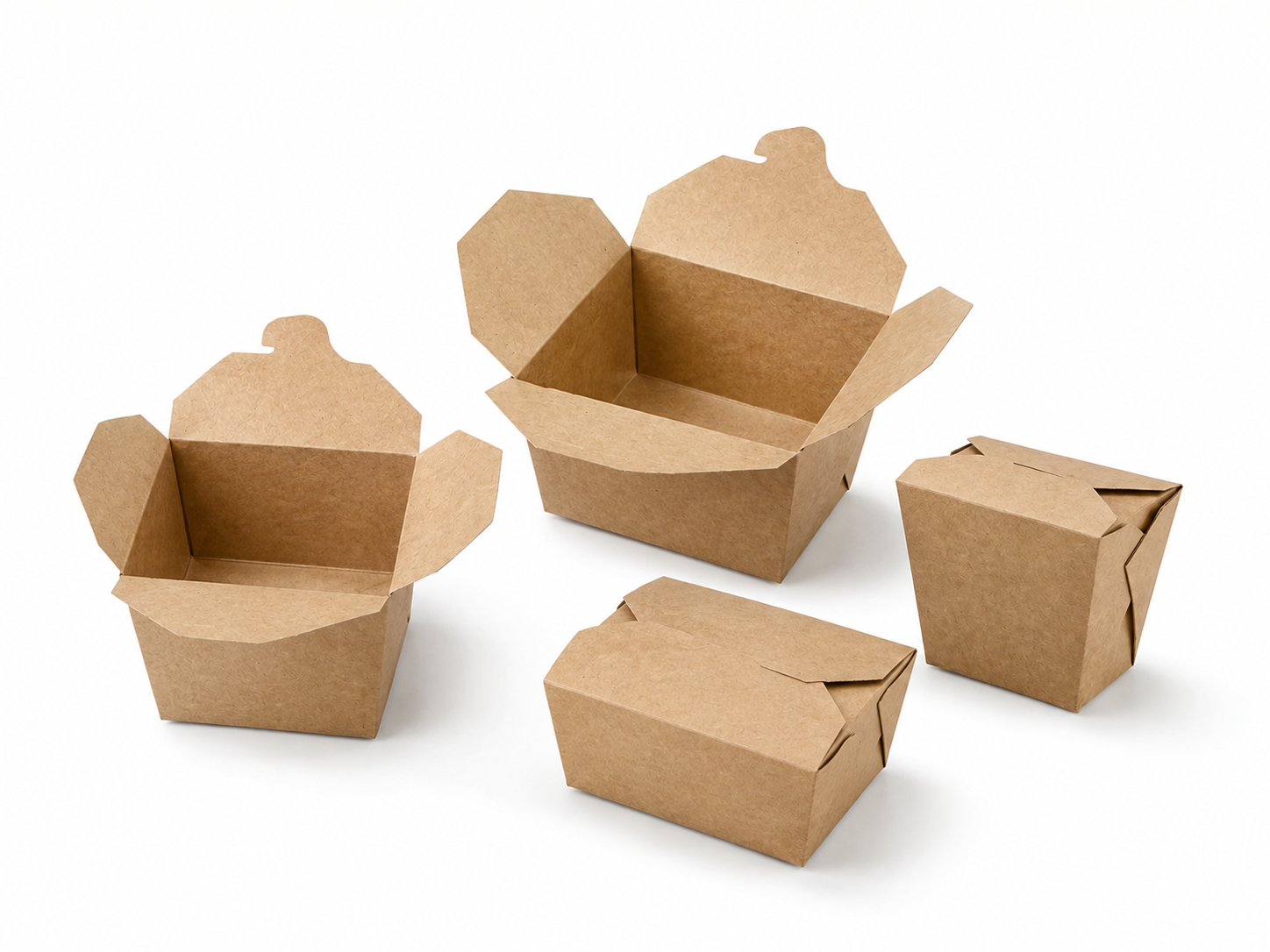
Multiple SKUs may share packaging when the products use the same dimensions, protection, material, structure, and main production process. When that is true, the SKU-specific information can be handled by smaller variable components such as labels, sleeves, or insert cards.
They usually need separate confirmation when a change affects the cutting die, full printed artwork, a spot color, a foil or embossing die, an insert cavity, the box size, or the assembly route.
For example, a brand launching three flavors in the same-size package may be able to use one master box with three labels. If the products have different heights, closures, or fitted inserts, the structure may no longer be common even if the visual branding looks similar.
Why multiple SKUs increase the total MOQ and cost
Packaging production includes fixed preparation as well as the material used for each piece. A multi-SKU order can add separate artwork checks, proofing, plates or print setup, color matching, foil dies, inspection references, sorting, carton identification, and packing records.
The distinction matters:
- Same structure, different variable component: some tooling and production steps may be shared.
- Same size, different full printed design: the cutting die may be shared, but printing and version control are still separate.
- Different size or structure: dielines, material yield, tooling, inserts, packing, and freight often need independent planning.
When the total order is split across many versions, each version carries a larger share of its own preparation cost. Inventory also becomes harder to manage because a fast-selling SKU may run out while slow variants stay in storage.
Can multiple SKUs share the same packaging MOQ?
Sometimes, but not automatically.
Sharing is most practical when all variants use the same finished dimensions, the same box or container structure, the same base material and thickness, the same main printed design, the same surface finishing, and the same protection and assembly route — with a variable label, sticker, sleeve, belly band, or insert card for identification.
Separate quantity or setup confirmation is usually required when variants have different finished sizes or cutting dies, different full-panel artwork, different spot colors, different foil or special-finish artwork, different insert cavities, different language or regulatory information, or separate sorting and traceability requirements.
Even labels, sleeves, and cards can have their own production minimums. The supplier needs to review the complete component list, not only the main box.
Four packaging strategies for multiple product variants
1. Shared master box with an SKU-specific label
Produce one standard printed or unprinted box for all variants, and give each SKU a separate label carrying the product name, color, flavor, barcode, language, or required market information.
Best for: same-size products, early launches, short test runs, multiple flavors, and brands that expect to add variants. It gives flexible first orders and simpler master-box inventory, but labeling adds labor and error-control requirements.
2. Shared printed box with a color-coded sleeve or belly band
The main box carries the stable brand information, while a paper sleeve, belly band, or card provides stronger shelf differentiation for each variant.
Best for: gift, beauty, food, wellness, and retail set packaging where a small label would not create enough visual separation. The sleeve can carry variant color, product details, or language, but the extra component has its own material, printing, MOQ, and assembly requirements.
3. Shared outer packaging with a variable inner card or insert
The external package stays the same while the inside card, instruction leaflet, divider, or insert changes to match the contents.
Best for: accessory sets, subscription kits, and variants distinguished mainly after opening. It gives a consistent external look, but every variant must still fit securely, and a changed shape may require a different cavity or insert.
4. Separate packaging only for core SKUs
High-volume or strategically important products receive fully customized printed packaging, while lower-volume variants use a shared base package with labels, sleeves, or cards until demand becomes predictable.
Best for: launches with uncertain sales distribution, seasonal and limited editions, and brands moving from testing to stable replenishment. It gives strong differentiation to core SKUs while avoiding excess dedicated inventory on slow variants.
How to decide which packaging elements can be shared
Review the system in this order:
- 1. Product dimensions. Measure every product, closure, accessory, and clearance. Products described as the same size may still differ enough to affect the insert or finished package.
- 2. Protection structure. Confirm whether all variants have the same fragility, weight, leak risk, barrier requirement, or direct-shipping condition. Shared graphics do not fix different protection needs.
- 3. Regulatory and market information. Identify the text that must appear for each destination: ingredients, warnings, language, importer details, and recycling information. Decide whether a compliant label or sleeve can carry the variable information.
- 4. SKU identification. Plan product names, color coding, barcodes, warehouse labels, and carton marks so staff can distinguish variants during packing.
- 5. Brand visual system. Separate stable assets — logo, brand colors, structural opening experience — from variant assets such as flavor, shade, or promotional copy.
- 6. Finishing and production method. Confirm which finishes are common and which are version-specific. Different foil artwork, spot colors, or textures can create separate setup even for identical box sizes.
A practical first-order plan
When sales by SKU are uncertain:
- 1. List every SKU and the expected first-order quantity.
- 2. Group products by actual dimensions and protection requirements.
- 3. Mark which information must change by SKU, language, or market.
- 4. Identify the possible shared box, insert, material, and finish.
- 5. Compare labels, sleeves, cards, and separate printing for the variable information.
- 6. Request the same quantity scenarios from the supplier.
- 7. Sample the shared structure and every critical product-fit or printed-information variation.
- 8. Set a replenishment trigger for each SKU instead of reordering all variants together.
This approach does not eliminate the MOQ. It makes the MOQ decision visible at component and version level.
Information to send your packaging supplier
Prepare the total number of SKUs and expected quantity for each; product dimensions, weight, material, closure, and accessories; which dimensions and protection requirements are the same; which elements must change (artwork, label, size, insert, language, barcode, or finish); the sales markets and languages; the target launch date and destination country; existing artwork, dielines, or physical samples; and the preferred assembly route.
Common mistakes to avoid
- Making variants difficult to recognize just to force one shared package
- Discovering too late that regulatory text will not fit on the variable component
- Using one oversized box that adds movement and dimensional freight
- Comparing unit price without accounting for obsolete slow-SKU inventory
- Forgetting that labels, sleeves, and cards can have their own MOQ
- Approving only the main box and not checking each critical print or legal version
Frequently Asked Questions
Can several designs be combined into one MOQ?
Not automatically. The final MOQ depends on structure, material, printing version, finish, and setup. Every design must be reviewed before quantities can be combined or produced separately.
If the box size is the same but the artwork changes, is it one packaging version?
The cutting die may be shared, but separate full artwork can still require different print setup, proofs, sorting, and production quantities. The result depends on the printing method and design.
Can I use one printed box and different labels for each SKU?
Often, when the product dimensions, protection, main box information, and surface are compatible. The labels must still meet regulatory, barcode, adhesion, and appearance requirements.
Do different inserts create separate MOQ requirements?
They can. Different cavities, materials, or assembly may require separate development and quantity confirmation even when the outer box is shared.
Should I sample every SKU?
At minimum, sample the shared structure with every product that could affect fit or protection, and verify every critical printed, regulatory, barcode, color, or finish variation before mass production.
Build one system with controlled variation
The goal is not to make every SKU look identical, nor to create a completely separate package for every version. A practical multi-SKU system keeps structure, materials, protection, and stable brand assets common where they genuinely match, and assigns variable information to the component best suited to change.
TakeawayPack works as a food-service packaging sourcing coordinator with multiple manufacturers, covering cups, bowls, boxes, containers, trays, lids, bags, and cutlery across North America, Europe, Australia, and the Middle East. Its RFQ process collects the SKU details that matter here — category, material, size, capacity, quantity, custom print and logo needs, and destination port — so the team can identify which structures may be shared and which parts should be produced separately. TakeawayPack can also discuss structure, coatings, capacity, printing, lid matching, and carton packing for a multi-SKU system. Send your SKU list and dimensions to TakeawayPack to plan packaging that keeps your MOQ under control.