Plastic Food Container Sourcing: A B2B Buyer’s Guide for Restaurants & Takeaway Brands
Plastic food containers remain a backbone of food-to-go operations. From hot soups to cold salads, choosing the right containers is a consequential decision that impacts food.
2026-06-30 - 3 min read
Overview
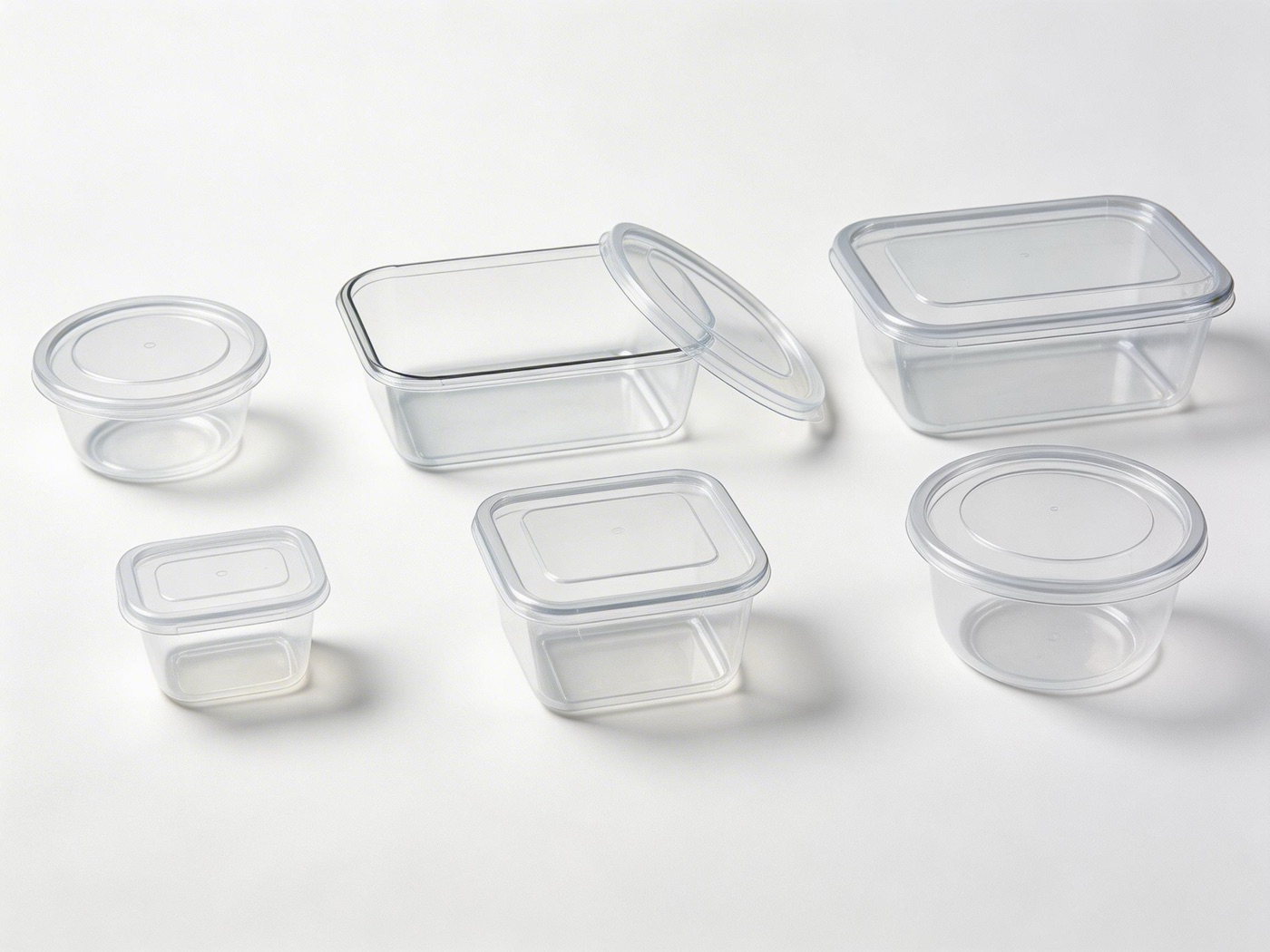
Plastic food containers remain a backbone of food-to-go operations. From hot soups to cold salads, choosing the right containers is a consequential decision that impacts food safety, customer satisfaction, and your operational margins.
This guide provides foodservice operators and procurement teams with essential insights into selecting, sourcing, and maintaining plastic packaging for high-volume operations.
Why Plastic Containers Dominate Foodservice
For businesses managing takeaway and delivery orders, plastic containers balance cost, performance, and versatility.
Durability in Transit: Unlike paper alternatives, plastic containers resist crushing and tearing. This structural integrity is vital for delivery, where containers are often stacked and moved multiple times.
Operational Efficiency: Plastic is lightweight, which helps control shipping costs for bulk inventory, while its stackable design maximizes storage space in busy kitchens and delivery vans.
Temperature Versatility: Quality food-grade plastic handles hot meals, refrigerated storage, and freezing without warping, simplifying your inventory management.
Food Presentation: Transparent materials like PET enhance perceived freshness, making them ideal for salad bars and premium takeaway displays.
Understanding Plastic Material Grades
Selecting the right material is essential for performance and compliance.
Tip: Many operations use a hybrid approach—PP bases for hot food and PET lids for clear visibility.
B2B Safety & Compliance Essentials
To protect your brand reputation, prioritize these safety standards:
Microwave Safety: Only use containers explicitly labeled "microwave-safe". PP typically performs best for reheating; however, avoid overheating or using high-fat foods in plastic.
BPA-Free Assurance: Always source BPA-free containers to prevent chemical leaching, especially for hot or acidic menu items.
Proper Handling: Remember that disposable plastic is not designed for repeated use; cracks from washing can harbor bacteria.
Operational Best Practices
Proper handling extends the performance of your inventory:
Storage: Keep containers in a cool, dry place away from direct sunlight to prevent brittleness.
Inventory Rotation: Use a "First-In, First-Out" system to ensure your packaging stock is always in optimal condition.
Filling Techniques: Avoid overfilling to protect lid seals. For hot items, allow steam to escape slightly before sealing to prevent leakage during transport.
Sourcing for Your Business
When sourcing in bulk, look for partners who offer more than just a unit price:
Dimensional Consistency: Predictable stacking saves significant labor and storage space.
Customization: Elevate your brand with logo printing, embossing, or label compatibility.
Supply Chain Reliability: Seek suppliers who support mixed-loading to optimize shipping costs.
Partner with TakeawayPack
At TakeawayPack, we support foodservice operations with B2B plastic container solutions tailored to your menu and volume needs. We offer flexible MOQs, pre-shipment quality inspections, and logistical coordination to streamline your procurement.
Need a quote or samples for your operation? Contact us at info@takeawaypack.com to discuss your packaging requirements today.