Stop Shipping Empty Air: How to Reduce Freight Costs on Food Packaging Sourcing
In the global food packaging trade, products are inherently lightweight but incredibly bulky. If you are not careful, you end up paying international shipping rates to transport.
2026-06-30 - 3 min read
Overview
In the global food packaging trade, products are inherently lightweight but incredibly bulky. If you are not careful, you end up paying international shipping rates to transport empty air. For B2B regional agents building distribution networks across Europe, North America, and Australia, optimizing freight is not just an operational detail—it is the primary lever for protecting profit margins.
Sourcing high-quality packaging is only half the battle. How those items are packed, stacked, and loaded into a shipping container ultimately determines your landed cost. Here is how smart importers and distributors optimize their logistics to stop shipping air and start maximizing profitability.
The Economics of Nesting Density Not all stackable containers are created equal. "Nesting density" refers to how deeply one container sits inside another. A difference of just a few millimeters in a product's rim design can dramatically alter the number of units that fit into a single carton. For example, when distributing high-volume food-grade packaging like kraft paper bowls to the competitive UK takeaway market, maximizing every cubic metre of a London-bound container is critical. A supplier with superior molding technology can increase the nesting density of these bowls, allowing you to fit 10% to 15% more units onto a single pallet. Over the course of a year, this minor design efficiency translates to thousands of dollars in saved freight.
Flat-Packed vs. Pre-Formed Decisions Knowing when to order flat-packed items versus pre-formed items is a strategic decision.
Flat-Packed: Items like takeaway boxes, corrugated catering trays, and paper bags should always be shipped flat. They occupy a fraction of the space and require simple assembly at the destination.
Pre-Formed: Items like soup bowls, sauce cups, and PET lids must be shipped pre-formed. The key here is strictly auditing the supplier's carton dimensions to ensure they align perfectly with international pallet standards without leaving dead space.
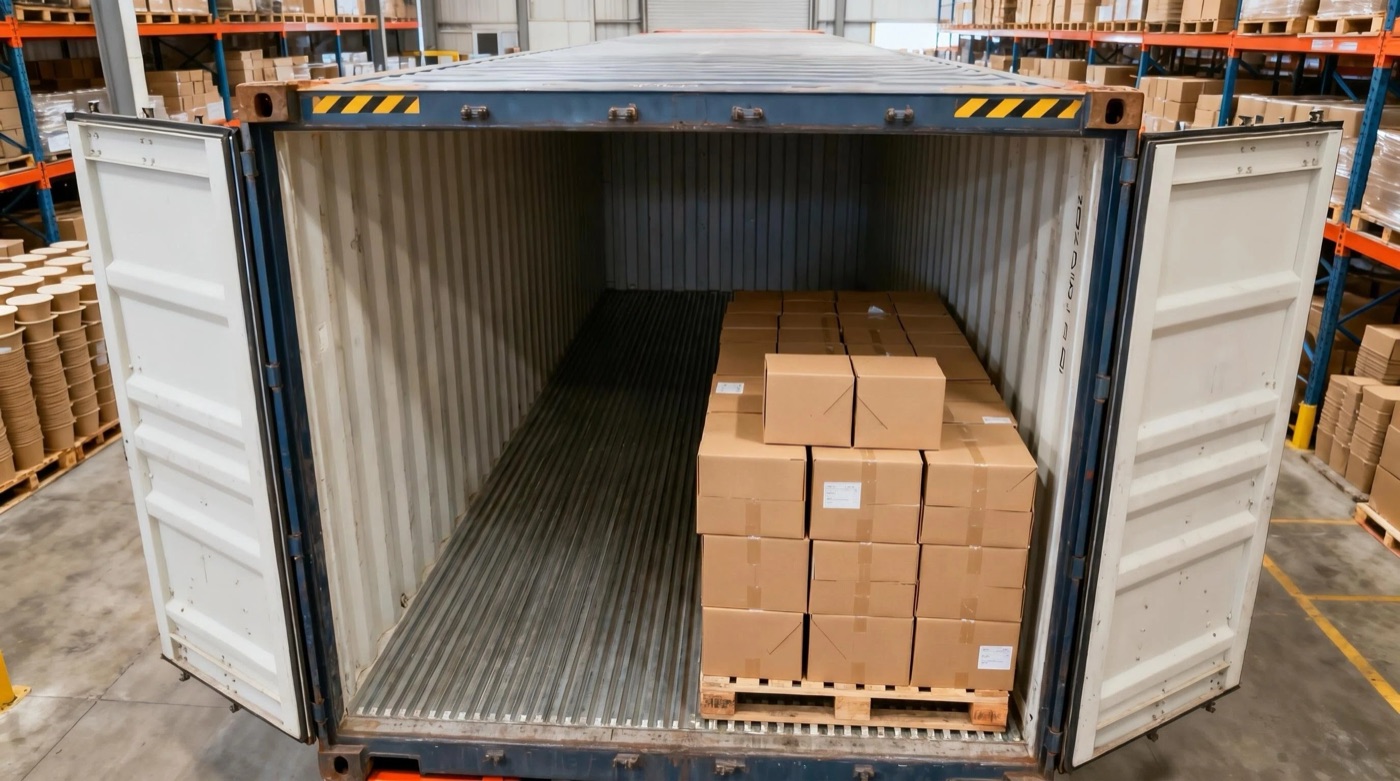
The Magic of Mixed-Container Loading A common pitfall for emerging distributors is buying LCL shipments from multiple factories. The warehouse consolidation fees, extra handling, and suboptimal packing quickly erode margins. The most profitable B2B regional agents utilize Mixed-Container Loading. By partnering with an integrated supplier, you can consolidate kraft bowls, paper cups, lids, and cutlery into a single 40HQ container. The supplier acts as your central logistics hub, using 3D loading software to puzzle-fit different carton sizes together, achieving a 95%+ container utilization rate. This allows you to offer a complete product catalog to your downstream buyers without tying up cash in full containers of a single SKU.
Accurate Pallet Loading Calculations Exporting packaging materials means strict adherence to destination market standards. Your supplier should provide precise pallet loading calculations before production begins. Knowing exactly how many cartons fit per tier, and how high a pallet can be stacked before structural integrity is compromised, prevents costly repacking fees upon arrival at your destination port.
Conclusion Freight optimization should never be an afterthought. By prioritizing nesting density, demanding accurate pallet calculations, and leveraging mixed-container consolidation, packaging distributors can drastically reduce their landed costs and outprice local competitors.
At TakeawayPack, we don't just manufacture packaging; we engineer your logistics. From optimizing kraft paper bowls for maximum container utilization to executing complex mixed-load shipments, we protect your margins before the ship ever leaves the port. Contact us at info@takeawaypack.com for a freight-optimized sourcing proposal.