California Prop 65 and Food Packaging: What Restaurants Need to Warn Customers About
California Proposition 65 is not a checklist that automatically tells a restaurant to label every food package. The decision depends on the actual product, the potential exposure being evaluated, the current rules, available evidence, and the business's legal and compliance review. Restaurants shoul…
2026-09-13 - 2 min read
Summary
California Proposition 65 is not a checklist that automatically tells a restaurant to label every food package. The decision depends on the actual product, the potential exposure being evaluated, the current rules, available evidence, and the business's legal and compliance review. Restaurants should collect SKU-specific documentation before deciding whether a warning, a posting, or another action is appropriate.
Estimated reading time: 2 minutes
What is the practical answer for a restaurant?
Do not add or omit a Proposition 65 warning based only on a packaging material name, an internet claim, or a customer question about a listed chemical. Proposition 65 is a California right-to-know framework with specific warning and exposure considerations. A restaurant needs to understand the product it is buying and obtain advice appropriate to its role in the supply chain.
This article is educational information, not legal advice. Warning rules, safe-harbor language, listed substances, exemptions, enforcement risks, and business responsibilities can change. A California-qualified attorney or compliance adviser should assess the facts for a specific product and operation.
Does every takeout container need a warning?
No automatic rule follows from the fact that a container is made of plastic, paper, molded fiber, coating, ink, or another broad category. A material label does not establish whether an exposure exists, whether it is covered by a current warning requirement, or whether a particular warning format is appropriate.
The right starting point is the exact item. Record the SKU or supplier reference, product name, material and component description, intended food use, any printing or coating, and the version of the documentation reviewed. A generic catalogue statement is not a substitute for the information needed to assess a specific package.
What information should a restaurant request from its supplier?
Ask for documents that identify the exact supplied item and the scope of the statement. Depending on the product and the reviewer's advice, the request may include material declarations, information about coatings, inks, adhesives, or additives, product specifications, test reports where available, and the date and issuer of each document.
Ask direct questions rather than accepting a broad assurance. Is the statement about this exact SKU and its current construction? Does it cover the components that will contact food or be handled by consumers? Does it address the intended use, such as hot fill, chilled display, reheating, or delivery? Has the supplier identified any limits or conditions? Keep the answer with the purchasing record.
A distributor or restaurant should also preserve the purchase order, lot or batch information where available, supplier communications, and the decision record. Good documentation does not decide the legal question by itself, but it gives the reviewer a clear factual file.
Who is responsible for the decision?
Supply chains can involve manufacturers, converters, importers, distributors, private-label owners, and restaurants. The business should not assume that another party has resolved the issue simply because that party supplied the package. Responsibilities may depend on the facts, contracts, role in the chain, and applicable rules.
For that reason, clarify responsibilities in writing. Identify who will provide product information, who receives updates if a formulation changes, who manages warning artwork if counsel advises one, and how a restaurant will keep old and new packaging from being mixed during a transition. Escalate any gap in documentation rather than filling it with a guess.
What should the internal review file contain?
Create one file for each package configuration. Include the product identity, supplier contact, intended application, date of review, documents received, questions raised, advice received, decision owner, and next review date. If a warning or other action is adopted, keep the approved wording, placement plan, affected channels, and implementation date with the file.
Review the full configuration, not only the base container. A foodservice pack may include a lid, coating, printed element, label, adhesive, condiment cup, or other component. If the configuration changes, the earlier conclusion may no longer apply without a fresh review.
What should a restaurant avoid?
Avoid treating a supplier's general marketing copy as a legal opinion. Avoid copying a warning from an unrelated package. Avoid making a broad “compliant” or “chemical-free” claim to customers without appropriate, current support. And avoid delaying review until inventory is already on its way to California.
If information is incomplete, pause the decision and ask the appropriate adviser what additional evidence is needed. A controlled pause is safer than making a permanent packaging or labeling choice from an assumption.
How can a buyer discuss packaging without making an unsupported claim?
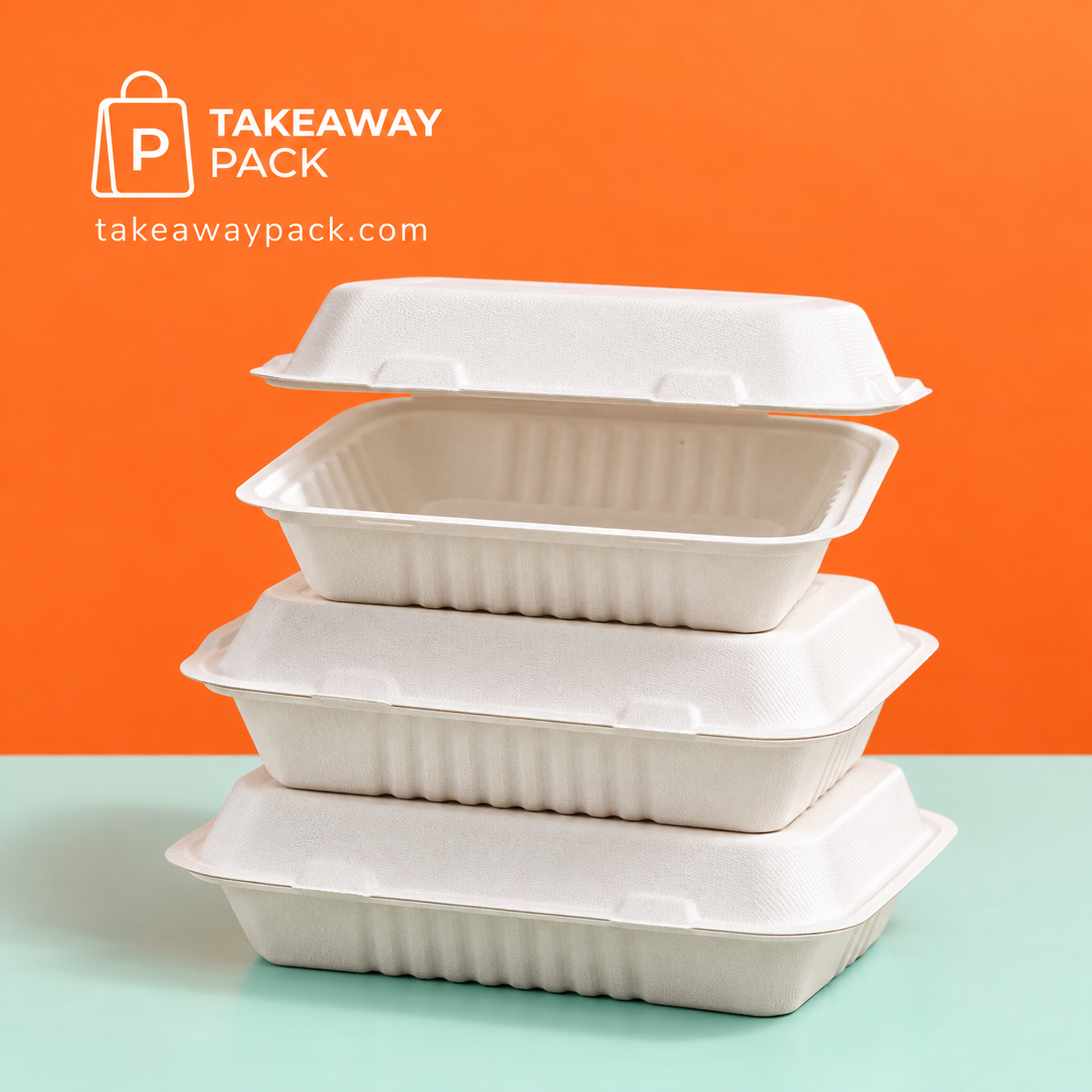
The supplier network of TakeawayPack offers related foodservice packaging products. For specific SKU information, visit the official website and contact us. The conversation should begin with the exact product, intended use, destination, and the documentation your compliance reviewer needs.
Request SKU-specific information before a California rollout
For a packaging project that will serve California, keep legal review and supplier documentation connected to the exact product configuration. Visit Takeawaypack to share the format, application, and destination, and request product-specific information from the supplier network for your review.