Coffee Cup Lid Compatibility: How to Match Cup, Lid and Drink for Takeaway Service
A coffee lid should be selected as part of a cup-and-drink system, not as a standalone item. Start with the cup rim, then confirm the drink temperature, serving style, straw or sip opening, and the expected journey after handoff. Sample testing with the intended cup and beverage is the practical way to check fit before a larger order.
2026-08-20 - 4 min read
Summary
A coffee lid should be selected as part of a cup-and-drink system, not as a standalone item. Start with the cup rim, then confirm the drink temperature, serving style, straw or sip opening, and the expected journey after handoff. Sample testing with the intended cup and beverage is the practical way to check fit before a larger order.
Start with the cup rim, not the drink name
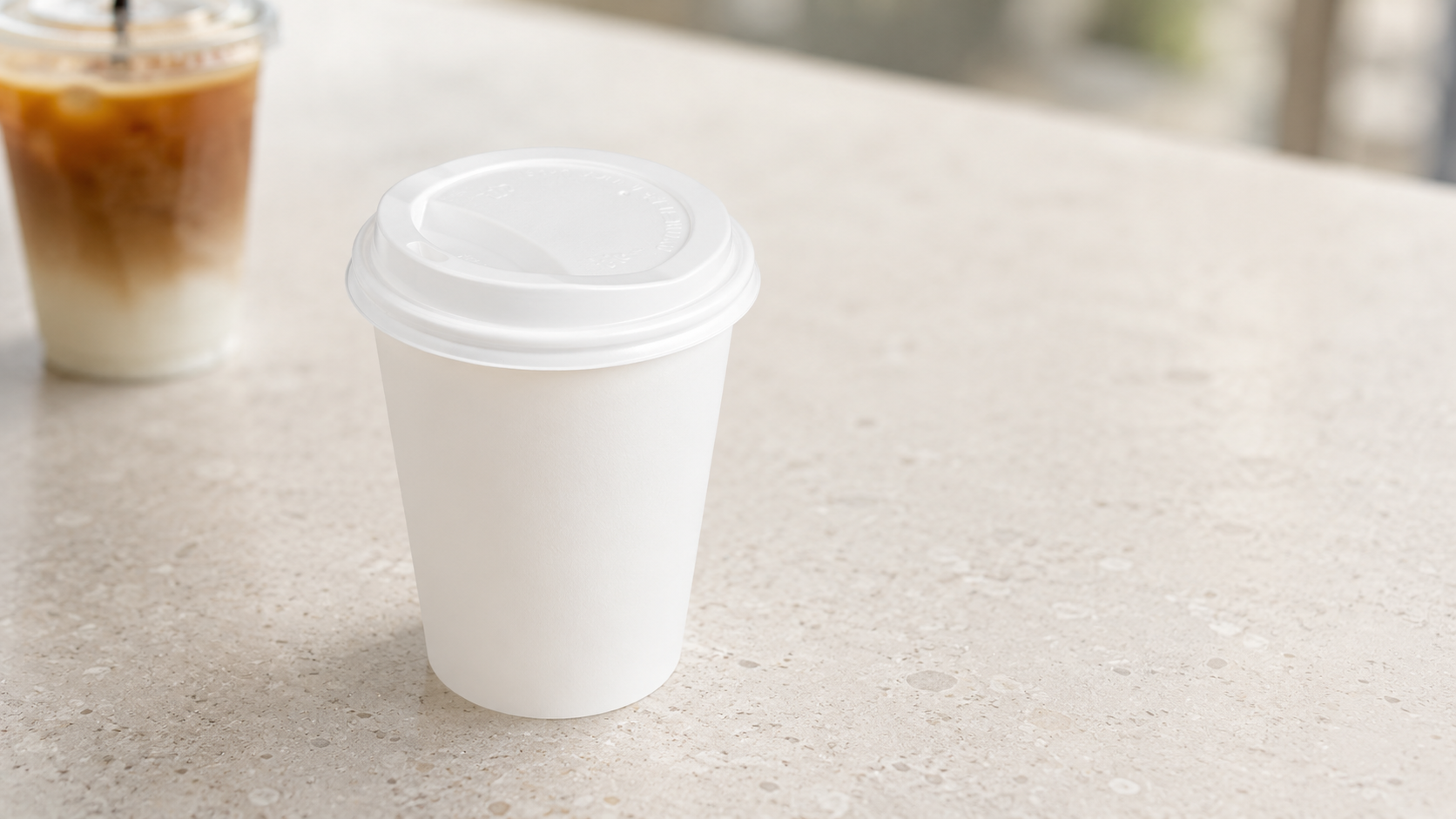
“Coffee lid” is not a universal specification. A lid that looks similar can still be unsuitable if its rim profile or diameter does not match the cup. Record the cup size, rim measurement and the exact cup construction before asking for samples. Treat the cup and lid as a paired component: the relevant question is whether that specific lid fits that specific cup, rather than whether it is generally described as a coffee lid.
For a café or regional chain, standardising a smaller number of cup-and-lid combinations can make ordering, storage and staff training easier. It also makes a future replacement easier to evaluate because the compatibility target is clear.
Match the opening to the drink and service method
The drink changes what the lid needs to do. Iced coffee and other cold beverages may call for a straw opening or a clear presentation style. Hot drinks may use a sip opening. Blended drinks or toppings can require more headroom. These are starting points for selection, not proof that any individual lid will perform in a particular journey.
Consider how the drink will be handed over. A counter collection, a catered event and a delivery route create different handling conditions. If a drink may sit in a vehicle for 20–30 minutes, evaluate the complete assembly under that expected temperature and travel scenario rather than relying on a product name alone.
Material is a specification to confirm, not a shortcut claim
Lids are available in different materials and constructions. Material can affect appearance, rigidity and the intended use, but it does not establish market suitability, food-contact documentation, a sustainability outcome or performance for every cup. Those points need to be confirmed for the relevant SKU, order and destination.
Keep the request specific: ask for the product identity, material, rim compatibility, available samples and any documentation that applies to the intended order and market. Avoid turning a broad material description into an unverified compliance or environmental claim.
Run a simple sample test before scaling
A useful sample test reflects actual service. Assemble the proposed cup and lid, fill it with the intended beverage, and observe it during normal handling. Include the cup size, drink temperature, fill level, opening type and expected travel time in the test notes. Test the same combination more than once and involve the people who will prepare or hand over drinks.
A practical review can cover:
- whether the lid seats consistently on the specified cup;
- whether the selected opening suits the drink and customer use;
- how the assembly behaves during carrying and ordinary movement; and
- whether the result is acceptable for the planned handoff and journey.
This is a buyer-side evaluation, not a substitute for product-specific technical documentation or destination-market review.
Build a clear request for quotation
When requesting a quotation or samples, provide the information that determines compatibility: product category, cup capacity, rim details, material preference, expected quantity, printing requirements if relevant, and destination country or port. This gives the supplier a clearer basis to discuss structure, lid matching and order-specific documentation.
TakeawayPack’s public product range includes cups and lids, and its RFQ process can be used to discuss product, material, size or capacity, quantity, printing requirements and destination details. For any proposed solution, confirm the exact SKU, sample availability and applicable documents before making a purchase decision.
The takeaway
The most reliable way to choose a coffee lid is to pair it with the actual cup, actual drink and actual service journey. Define the rim, choose an opening that suits the drink, test the full assembly, and keep market or documentation questions tied to the exact order. To start that conversation with your product and destination requirements, visit takeawaypack.com.