How to Launch Seasonal Food Packaging in Short Runs Without Creating Dead Stock
A limited seasonal menu does not need a completely new packaging system. The safer approach is to keep the food-contact and carrying components stable, then put the campaign message on parts that can change late: sleeves, labels, cards, seals, or inserts. This lets a restaurant create a clear seasonal moment while protecting the packaging it can still use after the promotion ends.
2026-09-01 - 5 min read
Summary
A limited seasonal menu does not need a completely new packaging system. The safer approach is to keep the food-contact and carrying components stable, then put the campaign message on parts that can change late: sleeves, labels, cards, seals, or inserts. This lets a restaurant create a clear seasonal moment while protecting the packaging it can still use after the promotion ends.
The key is to treat packaging as an operating system, not a one-off design purchase. Build the reusable base around the menu and packing workflow; buy the seasonal layer in a conservative first run; then replenish only when real orders justify it.
Separate the reusable pack from the seasonal message
Start by listing every component in the order: the primary container, lid, insert, bag, seal, napkin, menu card, and shipping carton. Mark each item as either **evergreen** or **campaign-specific**.
Evergreen components should survive a change in season, flavor, date, or promotion. They may carry the permanent brand identity, standard product information, and the dimensions your team already knows how to pack. Campaign-specific components can carry the festival artwork, limited menu name, date-sensitive copy, or promotional code.
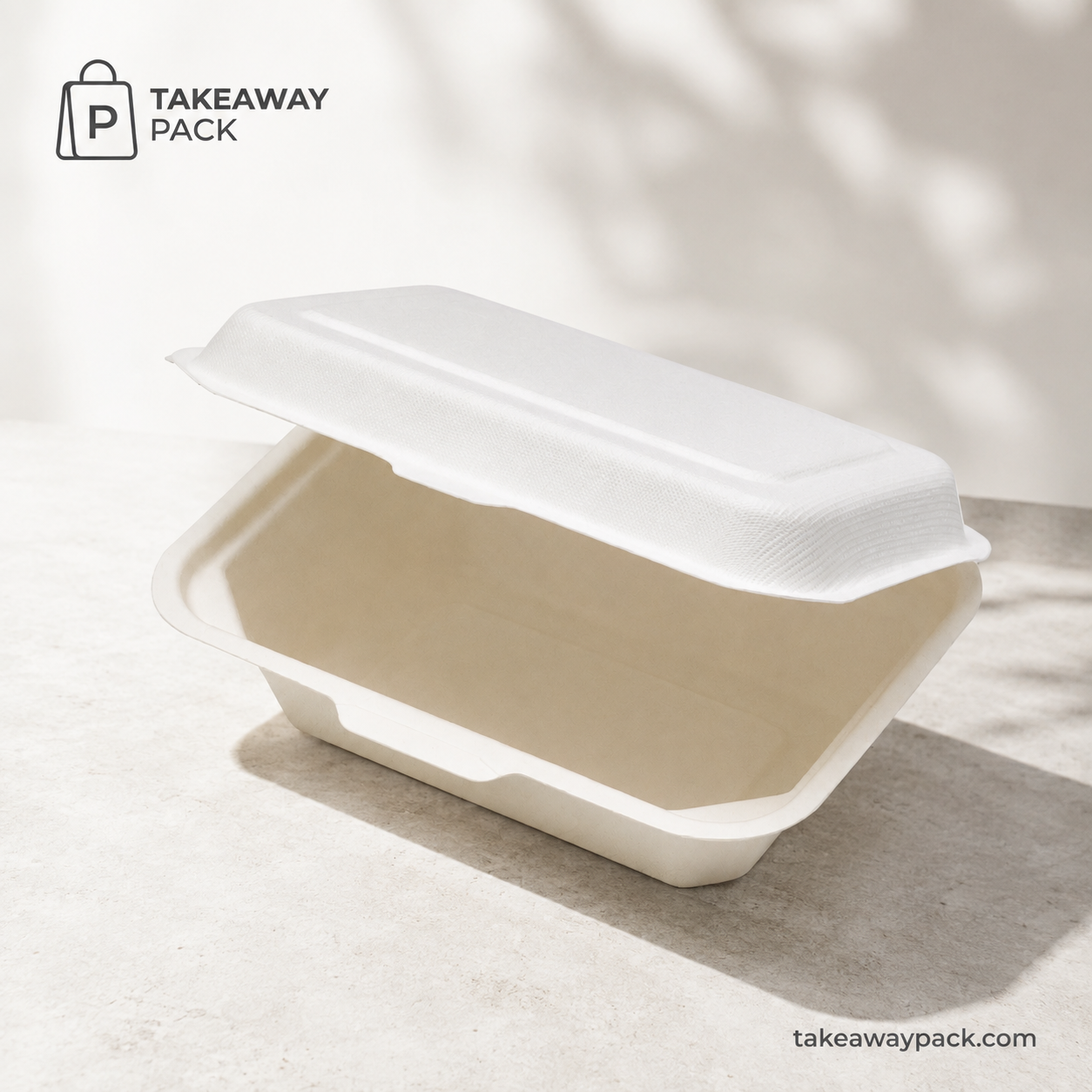
For example, a dessert launch might use one standard bowl or box size, a matching lid, and a familiar carry bag all year. The Mid-Autumn, holiday, or spring look can sit on a removable paper sleeve, a lid label, a small card, or a tamper seal. If demand stops early, the higher-value base remains available for the next menu or ordinary service.
Choose standard structures before choosing special artwork
A seasonal visual theme should not force a restaurant to introduce an untested shape. Reuse a structure only when it fits the actual food, closure, and carry situation.
For each menu item, record:
- portion size and fill level;
- temperature, moisture, oil, and sauce exposure;
- whether a lid, seal, divider, or insert is needed;
- how many units travel in one bag; and
- the expected travel and handoff conditions.
Then make a short list of structures that can cover more than one menu combination. A shared size can simplify storage, staff training, and reorder decisions. It also gives the creative team a fixed print area, so new seasonal artwork can be swapped without changing the packing method.
Do not assume that two components fit together because they look similar in a photo. Confirm the selected SKU, matching lid, food load, and packed configuration before committing to artwork or quantity.
Put variable print on the lowest-risk component
The best place for seasonal print is usually the component with the shortest useful life and the lowest cost to replace. That may be a paper band, sleeve, label, insert card, or outer seal rather than the main container.
This design choice creates three practical benefits:
- **Less obsolete stock.** When the campaign ends, only the date-sensitive pieces may be left over.
- **Faster creative changes.** A revised flavor name, promotional message, or event date does not require a new packaging structure.
- **Cleaner demand decisions.** The team can make a small first batch of variable components and use sales data to decide whether to reorder.
Keep mandatory or long-life information off the seasonal element whenever possible. A label meant for a two-week promotion should not be the only place where the operation depends on permanent product or handling information.
Use a staged buying plan for uncertain demand
A short run works best when the buying decision is divided into checkpoints instead of made all at once.
Stage 1: Prepare the base
Confirm the reusable structure, packing sequence, and artwork placement area. Order or reserve the parts that will still be useful after the campaign. Keep the initial quantity aligned with realistic service capacity and storage space, not only with the most optimistic sales forecast.
Stage 2: Release a conservative seasonal batch
Print or apply enough variable pieces for pre-orders, known events, and a measured buffer. Keep unassembled base packs separate from completed seasonal packs. This makes it easier to see what can still be redirected to normal service.
Stage 3: Review actual demand
Set a review date before launch. At that point, compare confirmed orders, daily sell-through, remaining seasonal pieces, and the time left in the promotion. Reorder only if the replenishment can still be used before the artwork becomes obsolete.
A simple inventory sheet should distinguish between **base inventory**, **seasonal components**, and **finished campaign packs**. Without that separation, a restaurant can mistake reusable stock for dead stock and order too much too soon.
Test the finished order, not just the printed component
A sleeve or label can look right on a flat sample and still fail in service. Test the complete order at normal fill level. Close it as staff will close it, apply the seasonal element at the intended step, place it in the carry bag, and handle it as a customer or courier would.
Check for practical issues such as:
- lid fit and seal placement;
- label adhesion after refrigeration, steam, or condensation where relevant;
- scuffing or smearing on the printed area;
- rubbing between packs in a bag;
- barcode or order-label readability; and
- extra seconds added to the packing workflow.
Record a pass/fail result and the change needed. This prevents a seasonal look from creating a packing bottleneck during the busiest part of the promotion.
Build a reusable artwork kit
Seasonal packaging becomes easier to manage when the brand keeps a small library of approved assets and templates. The kit can include dielines, print-area guides, label sizes, approved logo files, color references, and examples of how the seasonal layer sits on each structure.
Each new campaign then starts with a controlled choice: reuse an approved base and adapt the changeable layer, or justify a new structure because the food or delivery condition truly requires it. That is a more reliable decision than starting from a blank design brief every season.
Request a quote with the details that affect the decision
A useful quote request names the product category, material preference, size or capacity, expected quantity, print requirement, and destination. Add the real operating context: what the food is, whether a lid must match, how the order is carried, and whether the seasonal element is a sleeve, label, card, or direct print.
TakeawayPack supports foodservice packaging sourcing and small-batch custom branding. Its RFQ process can start with the structure, material, size or capacity, print needs, quantity, and destination; custom work should be confirmed against the selected item and order details. For printed projects, review the artwork and sample or proof materials carefully before approving production.
Plan the next seasonal run without locking in the wrong inventory
The goal is not to make every component seasonal. It is to make the seasonal layer visible enough to sell the occasion, while keeping the physical packaging system useful after the occasion has passed.
If you are preparing a limited menu, start with the food and packing flow, choose reusable structures, test the finished order, and make the variable print the part you can afford to change. To discuss a quote-ready packaging brief for your menu and destination, visit TakeawayPack.