How to Set Up Delivery for Your Restaurant in 5 Simple Steps
Adding delivery to your restaurant does not have to be complicated. You can be ready to accept orders in five clear steps: register on a delivery platform and complete your restaurant profile, build a menu that works for transit, set up your kitchen operations for packing and dispatch, choose the right delivery packaging, and then test and refine your process.
2026-08-12 - 7 min read
Step 1: Register on a Delivery Platform and Complete Your Restaurant Profile
The first step is to choose a delivery platform and sign up. Each platform has its own sign-up process, so check the requirements for the market where you operate.
Gather your restaurant information
Before you register, collect the basics: your restaurant name, address, hours, phone number, and the types of cuisine you serve. You will also need to confirm how you want orders handled, whether that is your own drivers, a third-party platform, or a mix.
Set up your profile and storefront
A complete profile helps customers find you and trust your brand. Add accurate hours, a clear description, and consistent branding. Your storefront is often the first impression a customer gets, so make sure it looks professional and represents your menu correctly.
Step 2: Build a Menu That Works for Delivery
A delivery menu is not the same as an in-person menu. Some dishes travel better than others, and menu choices affect how much packaging you need and how training goes.
Choose dishes that travel well
Focused on items that hold their quality during transit. Crispy foods, soups, sauces, and temperature-sensitive dishes all need to reach the customer in good condition. Keep your delivery menu clear and manageable so you can pack orders consistently.
Communicate portion and packaging on the menu
Set expectations in the menu itself. Note portion sizes, spice levels, and how items are packed. This reduces surprises and helps customers order packaging-appropriate items.
Step 3: Set Up Your Kitchen Operations for Packing and Dispatch
Delivery only works if your kitchen can handle it smoothly. Build a clear process from the moment an order arrives to the moment it leaves your door.
Take the order
Make sure the platform sends orders to the right device or printer, and that staff know how to confirm and manage them. Errors here ripple through the whole order.
Prepare the food
Give your kitchen clear instructions for delivery dishes, including how freshly prepared items should be packed. Speed matters, but so does consistency.
Pack the order
Set up a packing station with labeled bags, containers, lids, and any tamper-evident seals or labels. Use a short checklist so every order is packed the same way. This is where the right packaging makes the biggest difference.
Dispatch and confirm delivery
Pass the packed order to the driver or courier, and track it until the customer confirms they received it. Have a clear way to handle missing, late, or damaged orders.
Having a documented process for each step keeps delivery consistent, even during busy periods and with new staff.
Step 4: Choose the Right Delivery Packaging
Packaging is the part of delivery your customers actually touch. The right packaging keeps food safe, appetizing, and on-brand, and the wrong packaging can wreck an otherwise good order.
Choose leak-resistant containers
Soups, stews, curries, and saucy dishes need containers and matching lids that resist leaks. Test the exact container-lid combination with your real dishes, not just a general material description.
Choose tamper-evident closures
Because delivery orders pass through hands you do not control, consider tamper-evident packaging. Staples, break-away labels, self-adhesive bags, locking boxes, and cup seals all make it clear if an order has been opened.
Keep food at the right temperature
Insulated bags and appropriate packaging help hot food stay hot and cold food stay cold. Confirm that your packaging and bag setup support the temperature needs of your menu.
Match packaging to your menu and brand
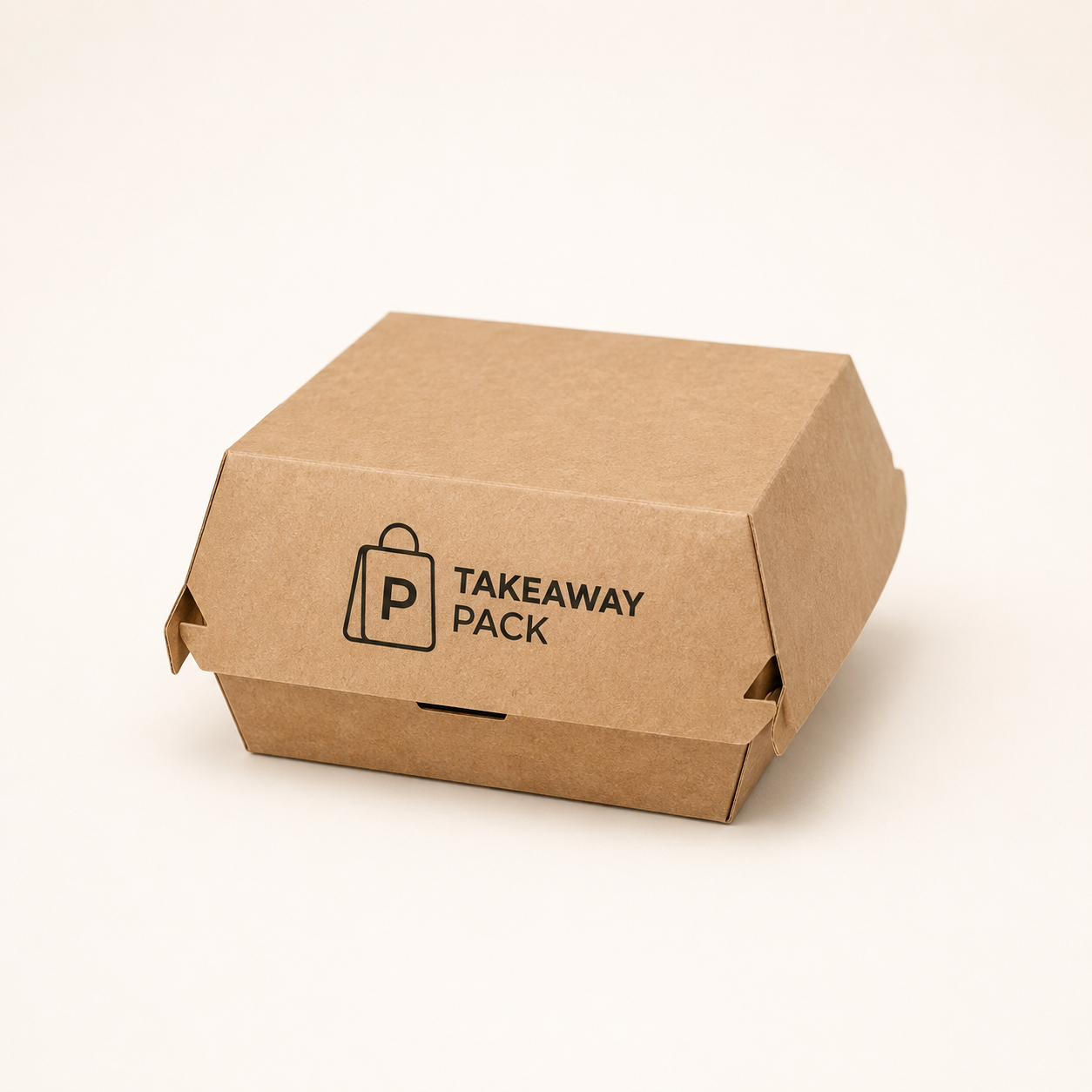
Choose sizes and formats that fit your actual portions. Consider custom-printed packaging or labels with your logo, so every delivery reinforces your brand rather than diluting it.
Step 5: Test and Optimize Your Delivery Process
Do not launch delivery and hope it works. Test it first, then refine.
Run a test order
Place test orders through each delivery channel you use. Check the full experience: order accuracy, packing, delivery time, temperature, leak resistance, and tamper evidence. Photograph or note the results so you can compare.
Ask for customer feedback
Encourage customers to rate their delivery experience and reach out when something goes wrong. Their feedback will point you to the weakest part of your process, whether that is packaging, speed, or communication.
Refine and repeat
Use what you learn to adjust your menu, packing checklist, or packaging. Re-test whenever you change a recipe, a package, a supplier, or a delivery route. Continuous improvement is what turns a good delivery setup into a reliable one.
Frequently Asked Questions
How long does it take to set up delivery for a restaurant?
The time depends on the platform, your menu, and your kitchen. Registration and a storefront can be done quickly, but testing your packing and delivery process takes a little planning. Budget time for real test orders before you promote delivery to customers.
Do I need special packaging for delivery?
Yes. Delivery packaging should be leak-resistant for liquid dishes, tamper-evident to protect the order, and suitable for the temperature of your food. Packaging that works for in-house service often needs to be upgraded for transit.
What is the most important step when setting up delivery?
The packing process and packaging are critical, because they directly affect whether food arrives intact, at the right temperature, and sealed. A clear, repeatable packing step prevents most common delivery problems.
Should I use tamper-evident packaging for delivery?
It is strongly recommended. Delivery orders pass through hands outside your kitchen, and tamper-evident packaging gives customers visible proof that their order was not opened. It also protects your restaurant's reputation.
Can delivery packaging be custom printed with my logo?
Yes. Many delivery packaging items and labels can be custom-printed with your logo or design. Branded packaging reminds customers where their food came from and strengthens repeat orders.
Set Up Delivery With the Right Foundation
Adding delivery is a straightforward five-step process: register on a platform, build a delivery-friendly menu, set up your kitchen operations, choose the right packaging, and test and refine. The packaging you select is central to the whole system, because it protects the food, reassures the customer, and represents your brand at the customer's door.
TakeawayPack is a foodservice packaging brand and procurement coordinator that works with multiple packaging manufacturers. Its categories include Cups, Bowls, Boxes, Containers, Trays, Lids, Bags, and Cutlery. At the inquiry stage, the team can discuss structure, coating, capacity, printing, lid matching, and carton packing, and can provide samples, drawings, or print-file alignment, plus packaging and export handoff communication.
Custom printing follows your files and is confirmed with a digital proof before production, and some stock items may support trial orders while custom MOQ depends on the product and production method.
To request an RFQ and discuss delivery packaging for your restaurant, visit https://takeawaypack.com and include your target category, materials, sizes, quantities, custom print needs, and destination port.