How to Transport Catering Food: Temperature, Pack-Out, and Delivery Planning
Reliable catering transport depends on controlling the food journey, not just choosing a box. Plan temperature holding, separate hot and cold items, use secure formats, stabilize the vehicle load, and give the team one repeatable pack-out checklist.
2026-08-21 - 4 min read
Summary
Reliable catering transport depends on controlling the food journey, not just choosing a box. Plan temperature holding, separate hot and cold items, use secure formats, stabilize the vehicle load, and give the team one repeatable pack-out checklist.
Start With the Food and Its Holding Conditions
Every catering delivery begins with the menu. Note each item's intended holding condition, portion, sauce level, departure time, travel time, and service handoff.
Packaging cannot replace a food-safety program. Use the holding procedures and temperature checks required for the menu and local operation, then minimize the time food spends in transit.
Pack Close to Departure
Complete packing as near to departure as the operation allows. This reduces avoidable waiting time between preparation and service.
Before loading, assign one person to confirm that the order is complete and that the recorded holding checks required by the operation have been completed.
Separate Hot and Cold Zones
Hot entrées and cold salads, desserts, or drinks should not share the same transport zone. Separate zones help the team avoid unintended heat transfer and make unloading easier to organize.
Label boxes by temperature group and destination. A clear label lets staff put each item in the right part of the vehicle and find it quickly on arrival.
Choose Containers for a Stable Journey
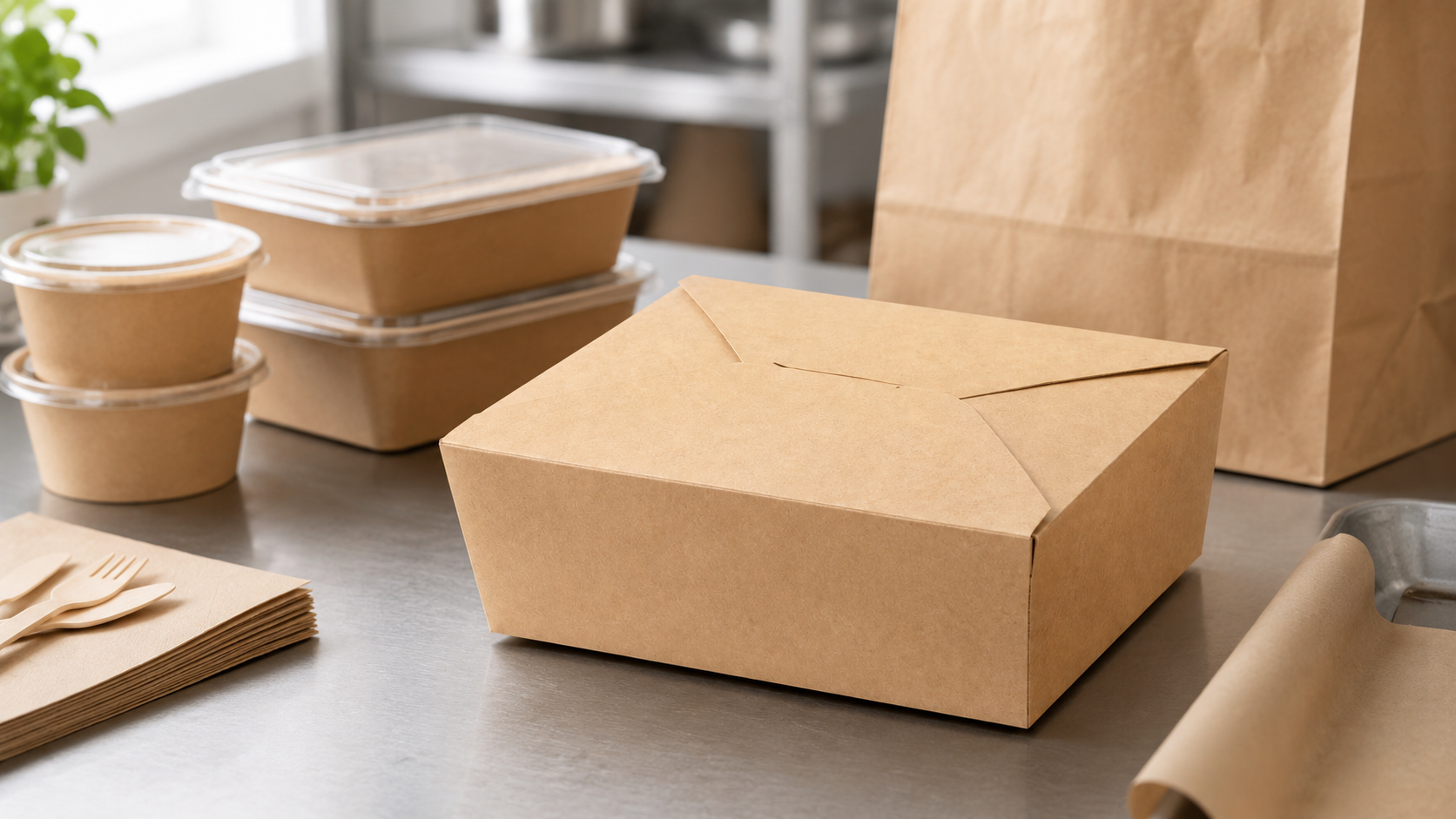
A catering pack-out involves lifting, carrying, stacking, and vehicle movement. Select the container and closure as a system, based on the actual food and handling journey.
Confirm that the footprint fits the load plan, the closure is properly engaged, and the packed item can be carried and stacked without crushing more delicate foods. For sauces and other liquids, keep the filled containers upright and follow the closure instructions for the specific format.
Build the Load From Heavy to Delicate
Place heavier, more stable items at the bottom. Put lighter or presentation-sensitive items above them.
Use available space deliberately. A load that has room to slide can shift during turns and braking; arrange items so they remain supported throughout the trip.
Keep Vehicle Loading Deliberate
Give each temperature group a designated area. Keep serving utensils, labels, and the order list accessible rather than buried beneath the food.
A consistent layout also helps staff notice a missing item before the vehicle leaves.
Match the Pack-Out to the Event
The right plan for a nearby office lunch may not suit a larger event with a long unloading route. Match the packaging format and load plan to the menu, guest count, distance, venue layout, and the distance staff must carry the order after arrival.
Consider the Last Part of the Journey
Stairs, elevators, crowded corridors, and long walks affect how much weight a person can carry at once and how the order should be divided. Plan the unloading sequence before departure, not at the venue.
Review the Exact SKU Before Ordering
Do not rely on a product image alone. Review the exact item, dimensions, closure, intended use information, and any documentation relevant to the proposed application. If a format is new to the menu, test it with the real food and delivery route before making a larger purchase.
Use a Catering Pack-Out Checklist
A short checklist turns a busy departure into a repeatable process:
- Confirm the order, labels, and destination details.
- Group hot and cold items into separate loading zones.
- Check that containers are closed as intended for the selected format.
- Load heavy items first and protect delicate items above them.
- Keep liquids upright and minimize open space that could allow movement.
- Keep utensils, service pieces, and the order list easy to reach.
- Assign a final load check before departure.
Train for the Same Process Every Time
Equipment matters, but a clear team routine is what makes the plan repeatable. Train staff on the loading sequence, temperature-group separation, labeling, and final check.
Assign a Final Check Owner
One person should verify the finished load against the checklist. This simple handoff reduces guesswork when the team is working quickly.
Improve the Checklist After Real Deliveries
After an event, note what slowed the team down: a difficult venue route, an awkward load order, or a missing service item. Update the checklist for the next job rather than treating each delivery as a new problem.
Plan Packaging Conversations Around the Real Use Case
A clear purchasing brief helps suppliers discuss options without assumptions. Include the food type, portion, handling sequence, proposed format, quantity, storage conditions, and any artwork requirement. Confirm suitability and documentation for the intended use before ordering.
For teams evaluating paper food box options, TakeawayPack provides a starting point for reviewing an exact product format. Use your own menu, route, and operational checks to decide whether a specific SKU fits the application.