Microwavable Food Containers: A Practical Guide for Food Service Businesses
For restaurants, cloud kitchens, and food delivery operators, the right packaging directly impacts customer satisfaction and operational efficiency. Microwavable food containers.
2026-06-30 - 5 min read
Overview
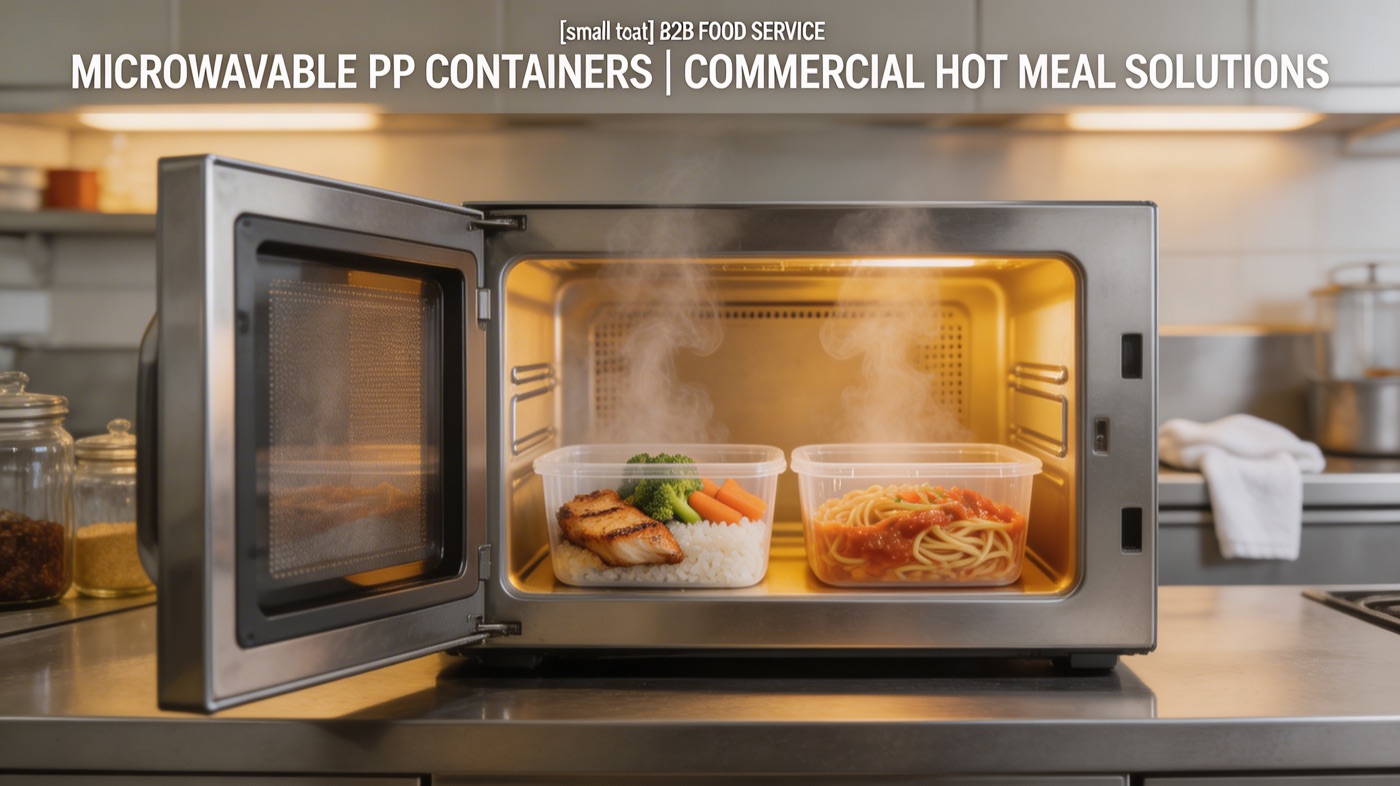
For restaurants, cloud kitchens, and food delivery operators, the right packaging directly impacts customer satisfaction and operational efficiency. Microwavable food containers have become essential for businesses that want to offer convenience without compromising food quality or safety.
This guide covers the practical benefits of microwave-safe containers, material considerations, and what to look for when sourcing from a packaging supplier.
---
Customer Convenience Drives Repeat Orders
Modern consumers expect to reheat takeaway meals quickly and safely. When food arrives in a microwavable container, customers can go from fridge to hot meal in minutes without dirtying additional dishes. This small convenience factor contributes significantly to customer satisfaction and repeat business.
Reduced Food Waste
Microwavable containers extend the usable life of prepared food. Meals stay fresher longer when properly sealed, and customers are more likely to consume leftovers when reheating is effortless. For food businesses, this translates to fewer customer complaints about food spoilage and better overall value perception.
Streamlined Kitchen Operations
Using containers that work for both storage and reheating reduces the number of packaging SKUs a kitchen needs to manage. Staff can prep, store, and dispatch meals using the same container type, simplifying inventory and reducing handling time.
---
Polypropylene Containers
Polypropylene is the most common material for microwavable food containers. It offers several advantages:
Heat resistance: PP containers safely handle microwave temperatures up to approximately 120°C without warping or leaching
Durability: These containers resist cracking and maintain their shape through multiple heating cycles
Cost-effectiveness: PP provides excellent performance at a reasonable price point for bulk orders
Lightweight: Reduced shipping weight compared to glass or ceramic alternatives
Alternative Materials
While PP dominates the commercial food packaging market, other options exist:
CPET: Used for ready meals that require oven heating, though less common for standard microwave-only applications
Paperboard with PP coating: Suitable for lighter applications, though less durable for repeated reheating
TakeawayPack focuses primarily on PP containers due to their proven performance, safety record, and suitability for a wide range of food applications.
---
Safety Certifications
Any supplier should provide containers that meet relevant food contact material regulations. For businesses importing packaging, ensure materials comply with FDA standards for US-bound products or EU Regulation No 1935/2004 for European markets. Request documentation from your supplier to verify compliance.
Container Design Features
Practical container features directly impact user experience:
Secure-fitting lids: Prevent leaks during transport and help maintain food freshness
Steam vents: Allow pressure release during microwave heating, preventing lid popping and reducing condensation
Stackable shapes: Rectangular and square containers maximize storage space in both commercial kitchens and customer refrigerators
Multiple compartment options: Useful for meals with distinct components that should not mix