
Sourcing Wooden Cutlery for Foodservice: A Buyer's Guide for Importers and Distributors
The shift away from single-use plastics has created strong demand for wooden cutlery across global foodservice markets. For restaurants, takeaway operators, catering companies,.
2026-06-30 - 4 min read
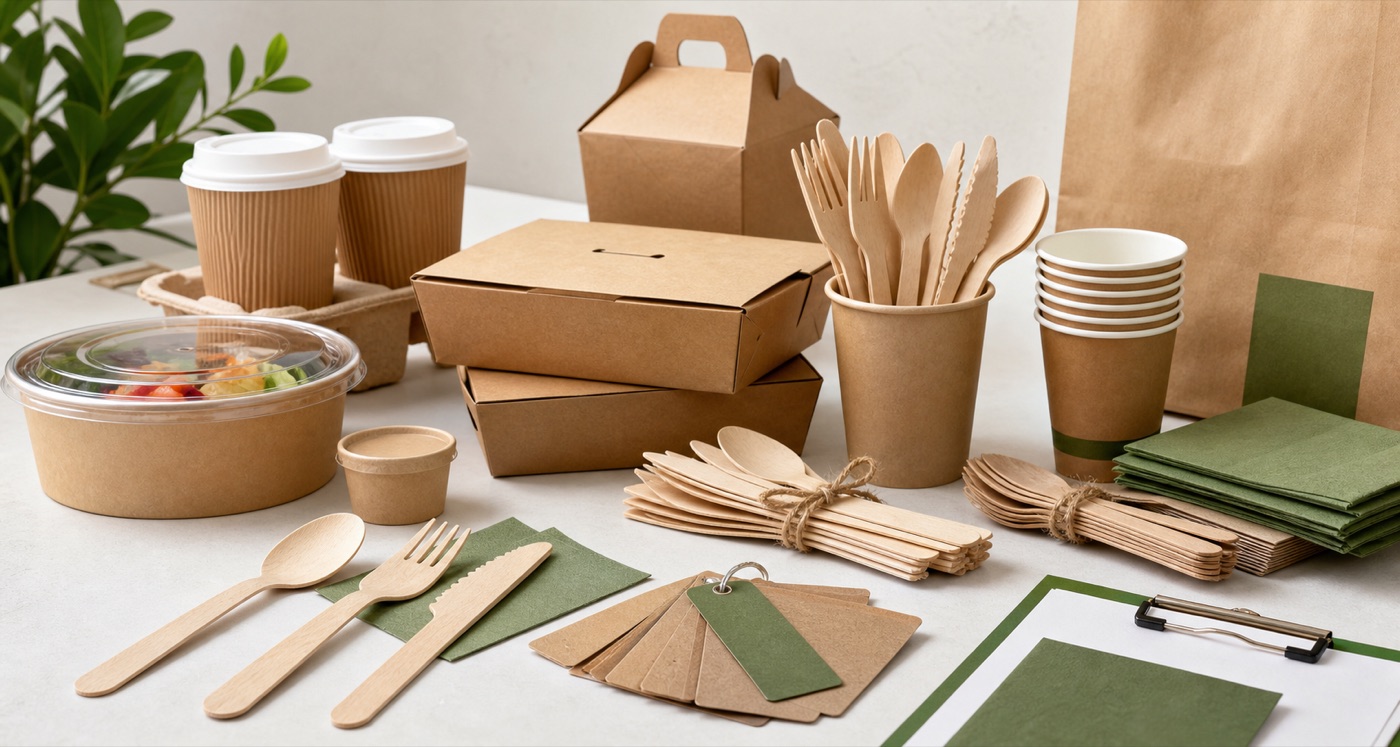
Overview
The shift away from single-use plastics has created strong demand for wooden cutlery across global foodservice markets. For restaurants, takeaway operators, catering companies, and event organizers, wooden forks, knives, and spoons offer a practical, regulation-compliant alternative that customers increasingly expect.
For importers and distributors, sourcing wooden cutlery presents both opportunity and complexity. Material quality varies significantly. Manufacturing standards differ across regions. Certification requirements vary by market. And supply reliability can make or break a product line.
This guide outlines what B2B buyers need to evaluate when sourcing wooden cutlery for foodservice markets.
Understanding Material Grades and Applications
Wooden cutlery is typically manufactured from birch or bamboo. Each material has distinct characteristics that suit different applications.
Birch wood cutlery offers a smooth, consistent finish with neutral coloring. It performs well with both hot and cold foods, maintains structural integrity under moderate pressure, and presents a clean, professional appearance suitable for premium foodservice environments. Birch is generally preferred for upscale catering, corporate events, and brands positioning around quality.
Bamboo cutlery provides greater natural strength and a slightly more textured aesthetic. It resists splintering effectively and holds up well with dense or tough foods. Bamboo's rapid renewability also appeals to sustainability-focused buyers. This material suits street food, casual dining, and high-volume takeaway operations where durability is prioritized.
When evaluating suppliers, request samples of both materials to test with your target food types. Surface smoothness, edge finishing, and structural consistency should meet foodservice standards.
Manufacturing Quality and Food Safety Standards
Wooden cutlery intended for food contact must meet regulatory requirements in destination markets. Key standards include:
FDA compliance for US market entry
EU Regulation No 1935/2004 for European markets
LFGB certification for Germany specifically
GB standards for China domestic distribution
Reputable manufacturers maintain documented compliance with relevant standards and can provide certificates of analysis, material safety data sheets, and third-party testing reports upon request.
Beyond regulatory compliance, assess manufacturing consistency. Quality indicators include:
Uniform thickness across production batches
Smooth surface finishing without rough edges or splinters
Consistent color tones within material type
Properly formed tines on forks and serrated edges on knives
Hygienic individual or bulk packaging
Visit manufacturing facilities when possible, or engage third-party inspection services to verify production standards before placing large orders.
Supply Chain Considerations for B2B Buyers
Sourcing wooden cutlery at scale involves several supply chain factors that impact cost, lead time, and reliability.
Minimum Order Quantities vary significantly between suppliers. Some manufacturers specialize in high-volume production with container-minimum orders. Others accommodate smaller initial orders suitable for market testing. When evaluating suppliers, clarify MOQ structures and whether they offer flexibility for mixed-product orders combining cutlery with complementary items like napkins, plates, or containers.
Production lead times typically range from 15-30 days for standard items, with additional time required for custom specifications. Factor in shipping duration—sea freight from Asia to Europe or North America generally requires 25-40 days depending on routing and port congestion. Plan inventory accordingly to avoid stockouts during peak seasons.
Packaging and consolidation options affect both protection and shipping efficiency. Standard export packaging includes inner polybags with outer cartons. For buyers sourcing multiple product categories, inquire about consolidated container loading to optimize freight costs and simplify receiving processes.
Quality control and inspection procedures should be established before shipment. Options include:
Supplier-provided inspection certificates
Third-party pre-shipment inspection services
Random sampling and testing upon receipt
Define acceptance criteria and non-conformance procedures with suppliers upfront to manage quality risk.
Market Positioning and Value-Added Services
For distributors and importers, differentiation often comes from services beyond the physical product. Consider what value-added offerings support your customers' businesses:
Customization and branding opportunities include printed sleeves, individually wrapped pieces with logo embossing, or custom color treatments. These options allow restaurant chains and catering companies to reinforce brand identity through their disposable cutlery selections. Discuss design capabilities, minimum quantities for custom work, and sample approval processes with potential suppliers.
Product bundling and kit assembly can simplify procurement for end users. Offering complete place settings—fork, knife, spoon, and napkin in individual packets—reduces handling time for catering operations and improves portion control. Evaluate whether suppliers can provide pre-assembled kits or if kitting occurs during your own warehousing process.
Sustainability documentation supports customers' environmental marketing claims. Request chain-of-custody documentation, FSC certification where applicable, and lifecycle assessment data from suppliers. This information enables end users to communicate credibly about their environmental choices.
Conclusion
Sourcing wooden cutlery for foodservice markets requires attention to material quality, manufacturing standards, supply chain reliability, and value-added capabilities. For importers and distributors, building relationships with suppliers who offer consistent quality, regulatory compliance documentation, and flexible order structures supports long-term business success.
At TakeawayPack, we work with foodservice businesses, distributors, and import partners to source wooden cutlery that meets market-specific requirements. Our supply chain supports customization requests, mixed-product orders, and quality-controlled export documentation. For product specifications, samples, or quotation requests, contact our team at info@takeawaypack.com.