UK Plastic Packaging Tax Calculation File for Takeaway Packaging: Components, Recycled Content and Declarations
Build a component-level UK Plastic Packaging Tax calculation file for takeaway packaging, with controlled material classification, plastic weights, recycled-content evidence, declarations, and supply-chain roles.
2026-08-13 - 9 min read
Summary
For takeaway packaging shipped to Great Britain and EU markets, do not start with a headline such as “recycled packaging” or with the total weight of a bowl-and-lid set. Start with a controlled component calculation file.
For the UK Plastic Packaging Tax (PPT) review, identify each packaging component, decide whether its material structure needs to be treated as plastic or non-plastic under the current rules, record the plastic weight, and calculate recycled content on the appropriate plastic basis. Then connect those records to the UK manufacturer or importer and to the actual shipment.
For the EU, retain the same product data but run a separate market-placement review. A UK PPT workpaper does not itself establish an EU recycled-content, labelling, food-contact, waste or other packaging conclusion.
This article is an operational method for building evidence. It is not legal or tax advice.
The Answer-First Method: Build a Component Calculation File
A defensible file should enable a reviewer to answer four questions without reconstructing the order from emails:
- 1. What is the exact packaging component?
- 2. What is it made of, and how much of it is plastic?
- 3. What evidence supports the recycled-content figure?
- 4. Which entity and transaction need the UK PPT review?
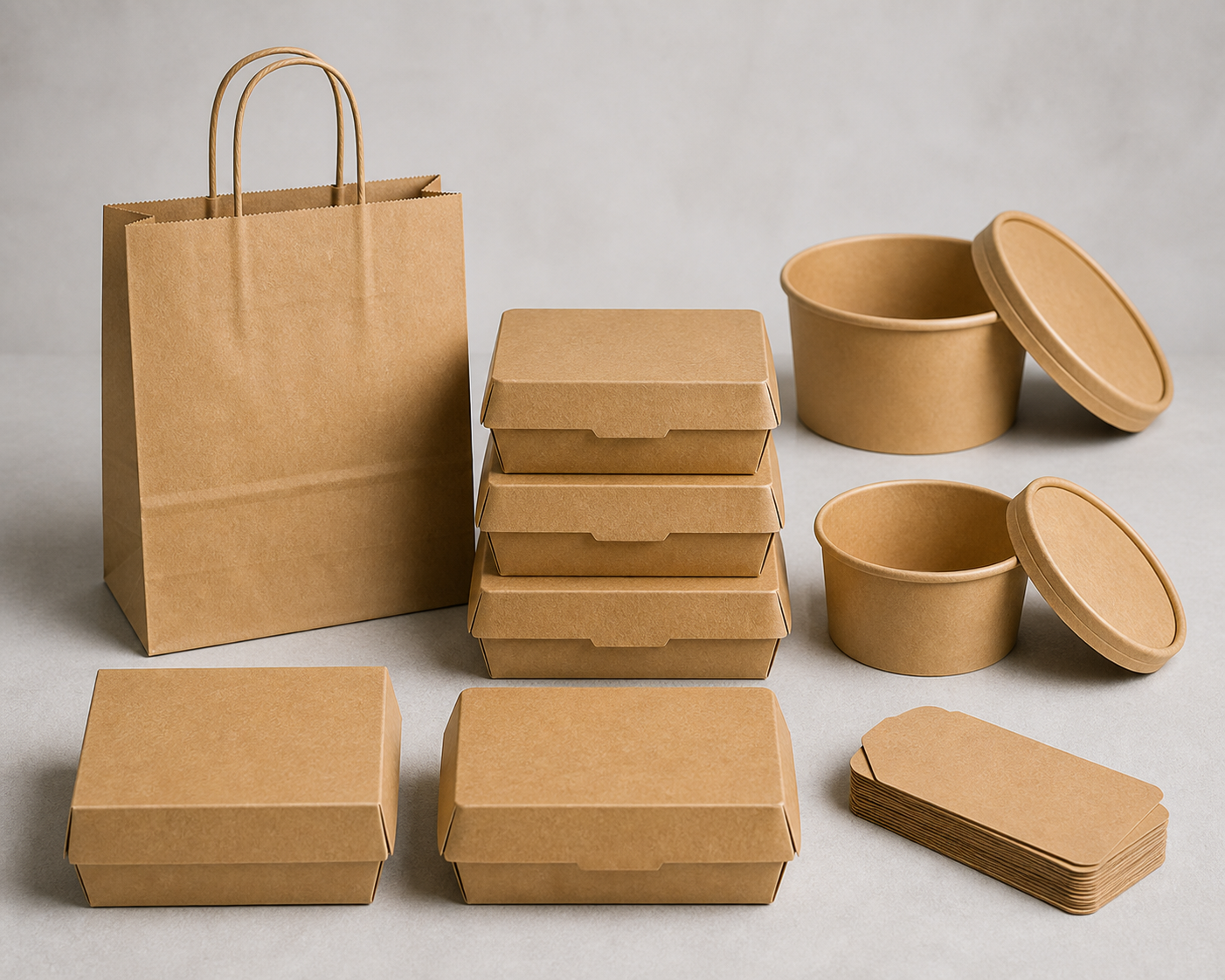
Use one record per component, not one record per menu set. A takeaway order may include a container, a separate lid, a plastic coating, a label, a sleeve, a carrier bag and a film or seal. Different components can have different material structures, weights, suppliers, versions and evidence.
Classify Packaging Components Before You Calculate: Separate Plastic From Non-Plastic Parts
Create a material map for each component. Record the base material and every layer or attachment that could affect classification: resin, fibre, coating, laminate, film, adhesive, label, ink, closure or insert.
Do not rely on a product name such as “paper bowl,” “compostable lid,” or “eco pack.” A paper-based item with a plastic layer requires a different review from an uncoated fibre item; a separate plastic lid should not disappear into the weight of the container below it.
Where a component has a mixed structure, preserve the supplier’s material description, drawings or specification, and a clear breakdown of the plastic and non-plastic parts. Escalate an unclear structure before using it in a tax workpaper or a market claim.
Give every version a stable identity
A useful component record includes:
If the resin, coating, component weight, supplier, manufacturing location or specification changes, open a new revision or reapprove the existing file. Do not overwrite the old evidence; retain an audit trail showing when the input changed and why.
| Field | What it controls |
|---|---|
| Internal component code, SKU or drawing reference | Identifies the item being assessed |
| Revision date and photo or drawing | Stops an old declaration being applied to a changed item |
| Component role | Distinguishes container, lid, coating, label, sleeve, bag or accessory |
| Full material structure | Makes plastic and non-plastic layers visible |
| Total component weight and plastic weight | Supports the weight calculation |
| Supplier, manufacturing reference and production/batch scope where available | Links documents to the goods |
| Intended destination and supply route | Keeps UK and EU files separate |
Calculate Recycled Content on a Supportable Basis: Use Plastic Mass, Not the Weight of the Whole Set
For a plastic component, an internal calculation can use:
Verified recycled plastic mass in the component ÷ total plastic mass in the same component × 100 = recycled-content percentage
The numerator and denominator must refer to the same component and the same material version. Do not use the full carton weight, the combined weight of a container and lid, or the total weight of a mostly non-plastic assembly simply because it produces a higher percentage.
For a component containing both plastic and non-plastic material, keep two values visible: total component weight and plastic weight. The recycled-content calculation should be tied to the plastic mass and to the underlying evidence, subject to confirmation of the current applicable method for the transaction.
Make the evidence reproducible
A percentage with no trail behind it is not a robust control. For each figure, retain the calculation worksheet and the evidence that answers:
- which exact component, SKU and revision the statement covers;
- the material source and calculation basis used;
- the recycled-plastic mass or percentage stated;
- the production, batch or date scope where available;
- the issuer, issue date and a route for clarification; and
- which changes would require reassessment.
A recycled-content declaration is not automatically proof of food-contact suitability, recyclability, compostability, a certification, or legal compliance in every destination. Keep those claims in separate evidence lanes.
Map the UK Manufacturer and Importer Roles
The UK PPT file needs a transaction map as well as a material calculation. Before goods move, identify the entity that manufactures packaging in the UK or imports it into the UK, and identify who holds the purchase, shipping and customs records.
The buyer, brand owner, seller, customs declarant and logistics provider may be different entities. A commercial invoice saying that a charge is included does not by itself settle the tax responsibility or prove a recycled-content outcome.
For each UK route, preserve:
- the responsible operating entity and its role;
- the manufacture or import event and date;
- whether packaging is empty or arrives with goods;
- shipment, customs and purchase references;
- component codes, quantities and component weights; and
- the reviewer’s treatment notes, open issues and approvals.
A practical planning line can be recorded as:
Relevant taxable plastic packaging weight × the PPT rate applicable to the accounting period = preliminary amount for review
Confirm the scope, liability, registration position, reliefs or exclusions, rate, reporting treatment and retention requirements against current official guidance and qualified UK tax advice before filing or pricing a transaction.
Control Mixed Materials and Multi-Part Packs
Mixed materials are where weak evidence files usually fail. Apply these controls:
Do not average unrelated components
Calculate and file the lid separately from the bowl when they are separate components or have different material data. The same applies to labels, sleeves, coatings, bags and accessories.
Do not infer a composition from appearance
A transparent film, a coated paper surface or a “plant-based” material description may require a technical material explanation. Ask for the specification rather than guessing from marketing language or a sample photograph.
Lock the declaration to the delivered version
At receiving, compare carton labels, component codes, visible structure and any batch details available with the approved record. If the delivered item differs in material, weight, supplier, site or artwork, flag it for review rather than silently applying the prior calculation.
What Declaration Files Should a Buyer Request?
Ask for a product-specific document pack, not a generic certificate folder. The exact legal documents depend on the packaging, market and operator role, but an operational request can include:
- 1. Component specification: SKU, drawing or photograph, revision, material structure, total weight and plastic weight.
- 2. Recycled-content declaration: component identity, percentage or mass basis, issuer, issue date, scope and calculation method.
- 3. Supporting production evidence: batch, production range, material-source, transaction or chain-of-custody information where relevant to the intended claim.
- 4. Supply-route records: purchase order, invoice, packing list, shipment and import documentation linked to the component file.
- 5. Change-control statement: triggers for a fresh review, including material, coating, weight, supplier, site, destination or artwork changes.
- 6. Separate product documents where applicable: request food-contact, substances, labelling, packaging or other market-specific documentation for the precise SKU and intended destination. Do not treat a recycled-content file as a substitute for these documents.
Do not approve recycled-content, recycling, compostability, food-contact or compliance wording on artwork until the wording is linked to the exact component, market, supporting document version and internal approval.
EU Interface: Reuse Data, Not Legal Conclusions
For EU-bound packaging, use the same component passport as a factual base, then make a separate file that identifies the Member State, economic operators, intended market-placement date, applicable product obligations and required technical documents or declarations.
This approach avoids two common mistakes: treating a UK tax calculation as an EU compliance decision, and treating an EU-facing document as proof of a UK PPT result. The same material weights may be relevant in both workflows, but the legal question, timing, responsible party and documentary standard can differ.
Operational Evidence Checklist
- Every container, lid, coating, label, sleeve, bag and accessory has a component code and revision.
- Each component has a material map, total weight and plastic-weight entry.
- Mixed materials have a documented breakdown rather than an assumption.
- Recycled-content calculations use verified recycled plastic mass and total plastic mass for the same component.
- Supplier declarations identify the item, scope, issuer and date.
- UK manufacture/import roles and shipment records are mapped to the component file.
- Current UK PPT rules are checked before a return, price decision or claim is made.
- EU-bound stock has a separate country-and-operator review.
- Artwork claims are version-controlled and evidence-linked.
- Material, weight, supplier, route or artwork changes trigger reassessment.
Legal and Tax Disclaimer
UK PPT and EU packaging requirements are fact-specific and can change. The outcome for a particular item may depend on material composition, component design, recycled-content evidence, quantities, supply-chain roles, destination and timing. This article does not determine whether packaging is taxable, exempt, registrable, compliant, or eligible for any particular treatment. Obtain current advice from qualified UK tax and EU packaging-compliance advisers before filing, printing a claim, pricing or placing packaging on a market.
Start With a Better Packaging Brief
TakeawayPack is a foodservice packaging brand that works with multiple packaging manufacturers. Its online catalogue includes cups, bowls, boxes, containers, trays, lids, bags and cutlery. For a compliance-sensitive inquiry, provide the product category, material, size or capacity, estimated quantity, destination, component code or drawing, and the document questions that need to be addressed for the exact SKU.
A clear component calculation file makes that conversation more precise without assuming a tax result, certification or product-wide compliance claim. takeawaypack.com